
Alexandria
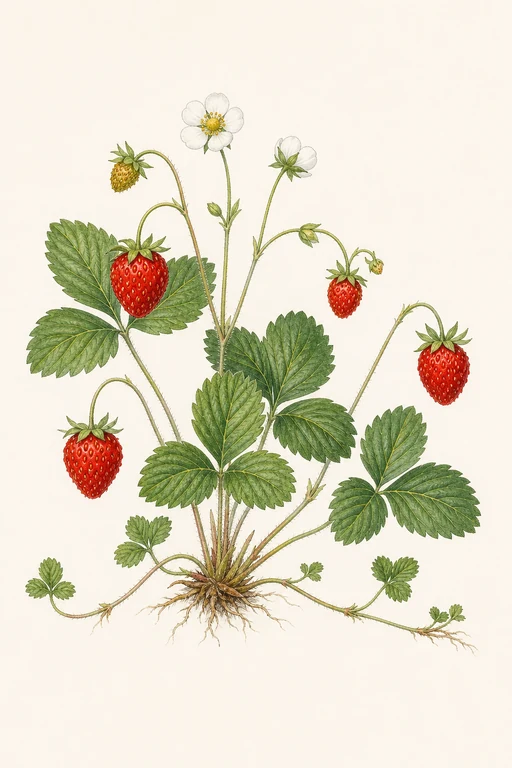
Aromatically sweet and intensely fragrant, Alexandria berries glow with a delicate, alpine charm—tender, juicy flesh wrapped in a bright, glossy skin.
Expect petite, conical berries with a soft bite and a classic strawberry perfume that shines in fresh harvests and makes a memorable centerpiece for fruit-forward preserves and quick pickles. Ideal for gardeners who want a compact, early crop (about 60 days) that keeps rewarding with flavor from the first ripening through the season.
Light: Full SunMaturity: 60 DaysHabit: Perennial_Crown
Crop Dates : 2a
| Milestone | Date |
|---|---|
| Start Indoors | Direct Sow |
| Last Frost | May 25th |
| Transplant / Sow Outdoors | May 25th |
| Harvest Begins | Jul 24th |
| Harvest Ends | Aug 29th |
Crop Details
| Trait | Value |
|---|---|
| Days to Maturity | 60 |
| Sun Requirements | Full Sun |
| Growth Habit | Perennial_Crown |
| Support Needed | None |
| Planting Depth | Normal |
| Germination Temp (°F) | 60 |
| Min Soil Temp (°F) | 40 |
| Min Night Temp (°F) | 28 |
| Harden Off (days) | 7 |
Culinary Notes

Chef's Note
Alexandria (alpine-style) strawberries are all fragrance and delicate structure—use them with restraint so their glossy skin and tender bite don’t collapse into mush. They’re especially good when served cool and bright (yogurt, crème fraîche, quick pickle) where the perfume reads first and the sweetness lands clean.

Best Uses
- fresh-mac eruptions over yogurt with zero dilution
- quick pickles (vinegar-sugar) to keep the perfume crisp, not jammy
- small-batch preserves where the fruit stays identifiable
- thin-sliced topping for shortbread or sponge so it doesn’t weep

Flavor Profile

Kitchen Pairings
Frequently Asked Questions
What’s the most common disease/pest problem for Alexandria (an onion-type crop), and how do I fix it?
How often should I water Alexandria onions during the main growing phase?
How can I tell when Alexandria onions are ready to harvest at about 60 days?
Sowing Tips

Transplant Conditions
Wait until soil reaches 40°F and nights stay above 28°F before moving outdoors. Harden off for 7 days first.
Expert Note

Keep crowns just at soil level and mulch lightly; alpine/wild strawberries fruit best with steady moisture and cool conditions.