
Alpine White Soul
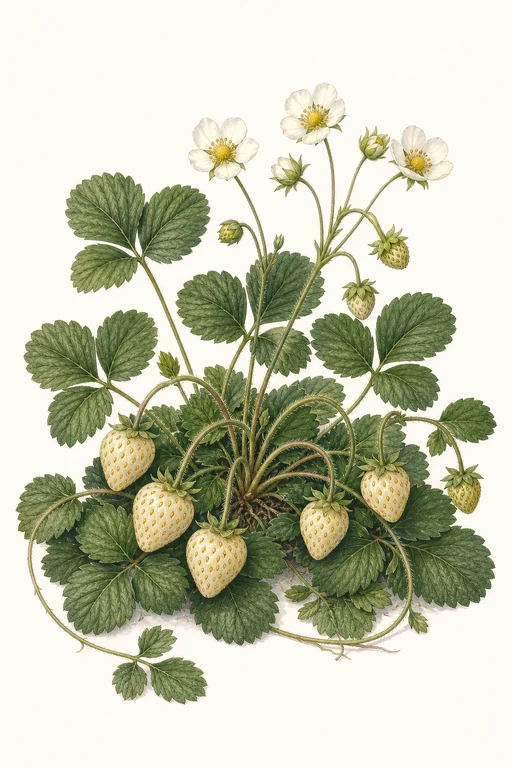
Aromas of sun-warmed sweetness rise from the garden as Alpine White Soul ripens—pale, creamy berries with a soft, honeyed flavor and a delicate, almost perfumed finish.
The fruit is tender and juicy, with a bright, seed-speckled surface that feels light and refined at peak ripeness. Ideal for fresh enjoyment and for showcasing in preserves, syrups, and elegant garnishes where its rare, ivory-toned beauty can shine.
Light: Full SunMaturity: 70 DaysHabit: Perennial_Crown
Crop Dates : 2a
| Milestone | Date |
|---|---|
| Start Indoors | Direct Sow |
| Last Frost | May 25th |
| Transplant / Sow Outdoors | May 25th |
| Harvest Begins | Aug 3rd |
| Harvest Ends | Aug 29th |
Crop Details
| Trait | Value |
|---|---|
| Days to Maturity | 70 |
| Sun Requirements | Full Sun |
| Growth Habit | Perennial_Crown |
| Support Needed | None |
| Planting Depth | Normal |
| Germination Temp (°F) | 65 |
| Min Soil Temp (°F) | 40 |
| Min Night Temp (°F) | 28 |
| Harden Off (days) | 7 |
Culinary Notes

Chef's Note
This alpine strawberry drinks like it’s been steeped—tender, perfumed, and easy to bruise—so you want gentle handling and quick cooking to keep the honeyed top-notes intact. Use it where its ivory sweetness can sit close to the tongue: dairy, vanilla, and tea, not heavy spice or aggressive acid.

Best Uses
- elegant fresh slicing over crème fraîche or clotted cream
- short-batch syrup or compote (quick heat to preserve perfume)
- stirred into barely sweetened yogurt or skyr
- light preserves where the color stays ivory—more spoonable than jammy

Flavor Profile

Kitchen Pairings
Frequently Asked Questions
What’s a common disease problem for Fragaria vesca (garden alpine strawberry) and how can I treat it?
How often should I water Fragaria vesca during the main growing phase?
How do I know when Fragaria vesca is ready to harvest?
Sowing Tips

Transplant Conditions
Wait until soil reaches 40°F and nights stay above 28°F before moving outdoors. Harden off for 7 days first.
Expert Note

Start with cold-tolerant seedlings or divisions and keep crowns at soil level; thin for airflow to prevent fungal issues in humid weather.