
Amish Pie
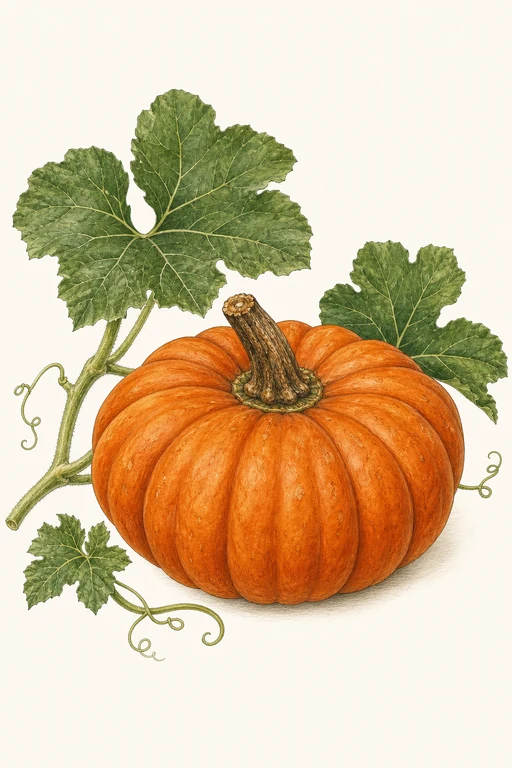
Sweet, dense flesh with a rich, old-fashioned pumpkin aroma—Amish Pie delivers a smooth, velvety bite and deep orange color that looks as good as it tastes.
The thick, sturdy rind helps it hold up well through storage, while the compact, dependable plants are well suited to home gardens. Grow Amish Pie for classic baking-style pumpkin flavor, roasting for caramelized sweetness, and for thick purées and hearty pies that showcase its fine-grained texture.
Light: Full SunMaturity: 100 DaysHabit: Vine
Location not set yet
Location not set yet
Enter your ZIP for local crop dates
Amish Pie Planting Dates by USDA Zone
Estimated US hardiness-zone windows for sow, transplant, and harvest. Enter a US ZIP above for exact local dates, or open a zone below.
| Zone | Start Indoors | Sow / Transplant | Harvest |
|---|---|---|---|
| Zone 1a | Protected Environment Only | ||
| Zone 1b | Protected Environment Only | ||
| Zone 2a | Protected Environment Only | ||
| Zone 2b | Direct Sow | Jun 12th | Sep 20th – Aug 25th |
| Zone 3a | Direct Sow | Jun 12th | Sep 20th – Sep 1st |
| Zone 3b | Direct Sow | Jun 16th | Sep 24th – Sep 21st |
| Zone 4a | Direct Sow | Jun 12th | Sep 20th – Sep 24th |
| Zone 4b | Direct Sow | Jun 10th | Sep 18th – Sep 27th |
| Zone 5a | Direct Sow | Jun 5th | Sep 13th – Sep 30th |
| Zone 5b | Direct Sow | Jun 1st | Sep 9th – Oct 5th |
| Zone 6a | Direct Sow | May 29th | Sep 6th – Oct 10th |
| Zone 6b | Direct Sow | May 23rd | Aug 31st – Oct 16th |
| Zone 7a | Direct Sow | May 18th | Aug 26th – Oct 20th |
| Zone 7b | Direct Sow | May 8th | Aug 16th – Oct 28th |
| Zone 8a | Direct Sow | Apr 29th | Aug 7th – Nov 5th |
| Zone 8b | Direct Sow | Apr 20th | Jul 29th – Nov 12th |
| Zone 9a | Direct Sow | Apr 3rd | Jul 12th – Nov 26th |
| Zone 9b | Direct Sow | Mar 9th | Jun 17th – Dec 9th |
| Zone 10a | Continuous Production | ||
| Zone 10b | Continuous Production | ||
| Zone 11a | Continuous Production | ||
| Zone 11b | Continuous Production | ||
| Zone 12a | Continuous Production | ||
| Zone 12b | Continuous Production | ||
| Zone 13a | Continuous Production | ||
| Zone 13b | Continuous Production | ||
Crop Details
| Trait | Value |
|---|---|
| Days to Maturity | 100 |
| Sun Requirements | Full Sun |
| Growth Habit | Vine |
| Support Needed | Trellis |
| Planting Depth | Normal |
| Germination Temp (°F) | 75 |
| Min Soil Temp (°F) | 65 |
| Min Night Temp (°F) | 55 |
| Harden Off (days) | 12 |
Culinary Notes

Chef's Note
Amish Pie is built for the bake: its dense, fine-grained flesh cooks into a smooth, velvety purée that thickens like a custard instead of turning loose and watery. Roast it hard for caramelized edges, then lean into brown butter and warm spices for that old-fashioned pie-shop aroma.

Best Uses
- baked pumpkin pie purée (smooth, spoonable custard base)
- roasting wedges until edges caramelize, then mashing for thick mash
- thick purées for mac-and-cheese or gnocchi sauce (coats, doesn’t get watery)
- baking-style pumpkin bread or muffins where a creamy crumb is desired

Flavor Profile

Frequently Asked Questions
Why are my Amish Pie melons developing powdery patches or leaf curl, and what should I do?
How often should I water Amish Pie melon during the main growing phase (after flowering)?
How can I tell when my Amish Pie melons are ready to harvest?
Sowing Tips

Transplant Conditions
Wait until soil reaches 65°F and nights stay above 55°F before moving outdoors. Harden off for 12 days first.

Direct Sow Preferred
Sensitive roots — does not transplant well. If starting indoors, use biodegradable pots and disturb roots as little as possible when moving outdoors.
Expert Note

For best pie quality, start plants after soil reliably warms and keep vines evenly watered to support thick, sweet flesh.