
Anise
Aromatic anise seed fragrance rises first—sweet, licorice-bright, and unmistakably warm—then lingers on the palate with a gentle, rounded intensity.
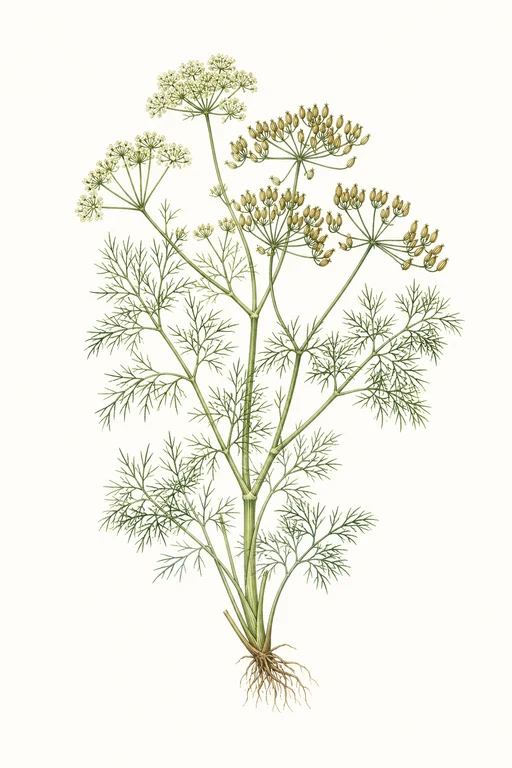
Expect feathery, finely divided foliage that feels airy and delicate, paired with umbels of tiny blossoms that mature into aromatic seeds over a long, steady season. Grow Anise for its distinctive seed character in breads, cookies, and spice blends, and for fresh herb sprigs that perfume sauces and pickles with a clean, fragrant lift.
Light: Full SunMaturity: 120 DaysHabit: Upright
Location not set yet
Location not set yet
Enter your ZIP for local crop dates
Anise Planting Dates by USDA Zone
Estimated US hardiness-zone windows for sow, transplant, and harvest. Enter a US ZIP above for exact local dates, or open a zone below.
| Zone | Start Indoors | Sow / Transplant | Harvest |
|---|---|---|---|
| Zone 1a | Protected Environment Only | ||
| Zone 1b | Protected Environment Only | ||
| Zone 2a | Protected Environment Only | ||
| Zone 2b | Protected Environment Only | ||
| Zone 3a | Protected Environment Only | ||
| Zone 3b | Direct Sow | May 19th | Sep 16th – Sep 21st |
| Zone 4a | Direct Sow | May 15th | Sep 12th – Sep 24th |
| Zone 4b | Direct Sow | May 13th | Sep 10th – Sep 27th |
| Zone 5a | Direct Sow | May 8th | Sep 5th – Sep 30th |
| Zone 5b | Direct Sow | May 4th | Sep 1st – Oct 5th |
| Zone 6a | Direct Sow | May 1st | Aug 29th – Oct 10th |
| Zone 6b | Direct Sow | Apr 25th | Aug 23rd – Oct 16th |
| Zone 7a | Direct Sow | Apr 20th | Aug 18th – Oct 20th |
| Zone 7b | Direct Sow | Apr 10th | Aug 8th – Oct 28th |
| Zone 8a | Direct Sow | Apr 1st | Jul 30th – Nov 5th |
| Zone 8b | Direct Sow | Mar 23rd | Jul 21st – Nov 12th |
| Zone 9a | Direct Sow | Mar 6th | Jul 4th – Nov 26th |
| Zone 9b | Direct Sow | Feb 9th | Jun 9th – Dec 9th |
| Zone 10a | — | Oct 1st | Jan 29th – Feb 28th |
| Zone 10b | — | Oct 1st | Jan 29th – Feb 28th |
| Zone 11a | — | Oct 1st | Jan 29th – Feb 28th |
| Zone 11b | — | Oct 1st | Jan 29th – Feb 28th |
| Zone 12a | — | Oct 1st | Jan 29th – Feb 28th |
| Zone 12b | — | Oct 1st | Jan 29th – Feb 28th |
| Zone 13a | — | Oct 1st | Jan 29th – Feb 28th |
| Zone 13b | — | Oct 1st | Jan 29th – Feb 28th |
Crop Details
| Trait | Value |
|---|---|
| Days to Maturity | 120 |
| Sun Requirements | Full Sun |
| Growth Habit | Upright |
| Support Needed | None |
| Planting Depth | Surface |
| Germination Temp (°F) | 70 |
| Min Soil Temp (°F) | 50 |
| Min Night Temp (°F) | 35 |
| Harden Off (days) | Not Required |
Culinary Notes

Chef's Note
Anise is built for heat: toast the seeds and the licorice sweetness turns warm and nutty instead of flat. Use it sparingly—its aromatic punch is loud, but with pork, honey, or citrus it snaps into a clean, grown-up perfume.

Best Uses
- steeping into syrup or tea for a clean anise perfume
- baking into cookies, breads, and rye—seeds toast to nutty-sweet
- folding into braises and tomato-based sauces where it rounds acidity
- seasoning pork, lamb, and sausage mixtures for that classic candy-spice note

Flavor Profile

Kitchen Pairings
Frequently Asked Questions
What’s the most common pest or disease on Pimpinella anisum (anise), and how can I prevent it?
How often should I water anise during its main growth, and what soil moisture level should I aim for?
How do I tell when Pimpinella anisum is ready to harvest?
What soil preparation and fertility does anise need for best growth and seed fill?
Should I space, thin, or direct-sow anise?
What’s a common beginner mistake with Pimpinella anisum, and when should I sow?
Sowing Tips

Transplant Conditions
Wait until soil reaches 50°F and nights stay above 35°F before moving outdoors.
Expert Note

Because anise doesn’t transplant well, sow seed in place after frost and keep soil evenly moist until emergence (often slow and uneven).