
Antigua
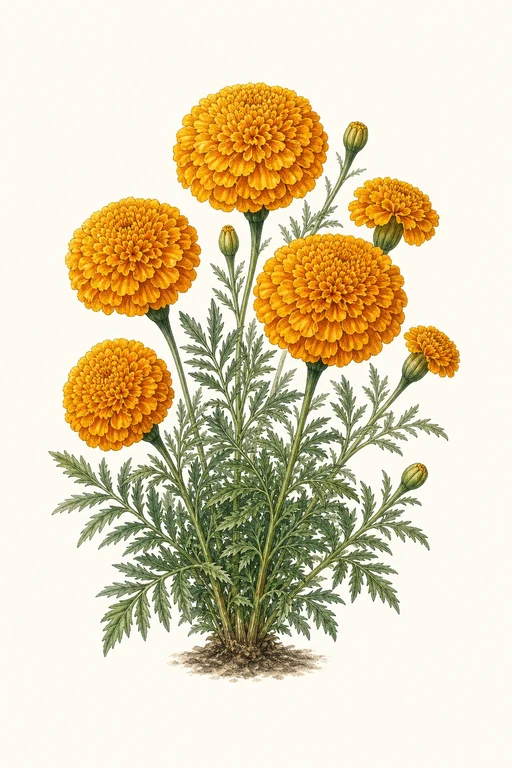
Sunlit, velvety blooms arrive in abundance—Antigua African Marigold dazzles with warm, saturated color and a plush, layered texture that seems to glow even in the brightest beds.
Expect sturdy, upright plants that hold their form through the season, producing large, fully double flowers with a satisfying, dense petal richness. Ideal for bold garden display, Antigua shines as a showy centerpiece in borders and mass plantings, delivering long-lasting color from early summer into fall.
Light: Full SunMaturity: 70 DaysHabit: Bush
Planting schedules and alerts are optimized for Columbus (Zone 6b).
Crop Dates
| Milestone | Date |
|---|---|
| Start Indoors | Direct Sow |
| Last Frost | Apr 25th |
| Transplant / Sow Outdoors | Apr 25th |
| Harvest Begins | Jul 4th |
| Harvest Ends | Oct 16th |
Crop Details
| Trait | Value |
|---|---|
| Days to Maturity | 70 |
| Sun Requirements | Full Sun |
| Growth Habit | Bush |
| Support Needed | None |
| Planting Depth | Normal |
| Germination Temp (°F) | 75 |
| Min Soil Temp (°F) | 60 |
| Min Night Temp (°F) | 50 |
| Harden Off (days) | Not Required |
Culinary Notes

Chef's Note
Despite the edible flag, African marigold is best treated like a spice-garnish: use a few petals, because the bitterness and herbal bite can run loud fast. With its plush petal density, it shines when kept small—infused, chopped, or folded into butter—so it doesn’t overwhelm the plate.

Best Uses
- Use only sparingly as a garnish—chopped fine, they add a peppery, bittersweet edge
- Infuse petals into a strained vinegar or quick brine for a floral-herbal tang
- Fold petals into a savory compound butter for grilled meats or corn

Flavor Profile

Kitchen Pairings
Frequently Asked Questions
What pest or disease most often hits Tagetes erecta (African marigold), and how can I control it?
How often should I water Tagetes erecta during active growth?
How can I tell when Tagetes erecta (Antigua African marigold) is ready to harvest?
Sowing Tips

Transplant Conditions
Wait until soil reaches 60°F and nights stay above 50°F before moving outdoors.
Expert Note

For the most compact, double blooms, keep plants in full sun and avoid over-fertilizing with high nitrogen.