
Apple
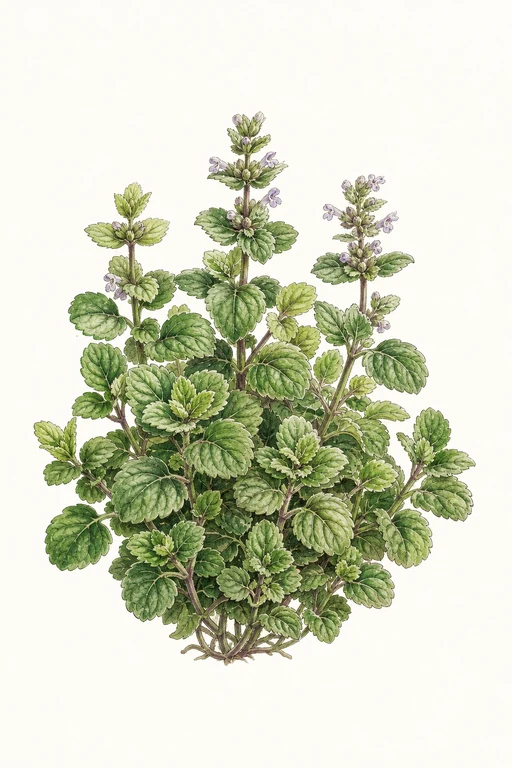
Aromatic and vivid, Apple Mint unfurls with a bright, apple-like lift that perfumes the garden air and lingers on the tongue with a cool, clean finish.
Leaves are tender and richly textured—softly quilted, medium-green, and wonderfully fragrant—ideal for fresh bouquets of flavor and for steeping into soothing infusions. Grow it for its lively, upright vigor and its dependable harvest of fragrant sprigs throughout the growing season.
Light: Part SunMaturity: 60 DaysHabit: Upright
Location not set yet
Location not set yet
Enter your ZIP for local crop dates
Apple Planting Dates by USDA Zone
Estimated US hardiness-zone windows for sow, transplant, and harvest. Enter a US ZIP above for exact local dates, or open a zone below.
| Zone | Start Indoors | Sow / Transplant | Harvest |
|---|---|---|---|
| Zone 1a | Protected Environment Only | ||
| Zone 1b | May 4th | Jun 1st | Jul 31st – Aug 1st |
| Zone 2a | Apr 27th | May 25th | Jul 24th – Aug 29th |
| Zone 2b | Apr 17th | May 15th | Jul 14th – Aug 25th |
| Zone 3a | Apr 17th | May 15th | Jul 14th – Sep 1st |
| Zone 3b | Apr 21st | May 19th | Jul 18th – Sep 21st |
| Zone 4a | Apr 17th | May 15th | Jul 14th – Sep 24th |
| Zone 4b | Apr 15th | May 13th | Jul 12th – Sep 27th |
| Zone 5a | Apr 10th | May 8th | Jul 7th – Sep 30th |
| Zone 5b | Apr 6th | May 4th | Jul 3rd – Oct 5th |
| Zone 6a | Apr 3rd | May 1st | Jun 30th – Oct 10th |
| Zone 6b | Mar 28th | Apr 25th | Jun 24th – Oct 16th |
| Zone 7a | Mar 23rd | Apr 20th | Jun 19th – Oct 20th |
| Zone 7b | Mar 13th | Apr 10th | Jun 9th – Oct 28th |
| Zone 8a | Mar 4th | Apr 1st | May 31st – Nov 5th |
| Zone 8b | Feb 23rd | Mar 23rd | May 22nd – Nov 12th |
| Zone 9a | Feb 6th | Mar 6th | May 5th – Nov 26th |
| Zone 9b | Jan 12th | Feb 9th | Apr 10th – Dec 9th |
| Zone 10a | — | Oct 1st | Nov 30th – Feb 28th |
| Zone 10b | — | Oct 1st | Nov 30th – Feb 28th |
| Zone 11a | — | Oct 1st | Nov 30th – Feb 28th |
| Zone 11b | — | Oct 1st | Nov 30th – Feb 28th |
| Zone 12a | — | Oct 1st | Nov 30th – Feb 28th |
| Zone 12b | — | Oct 1st | Nov 30th – Feb 28th |
| Zone 13a | — | Oct 1st | Nov 30th – Feb 28th |
| Zone 13b | — | Oct 1st | Nov 30th – Feb 28th |
Crop Details
| Trait | Value |
|---|---|
| Days to Maturity | 60 |
| Sun Requirements | Part Sun |
| Growth Habit | Upright |
| Support Needed | None |
| Planting Depth | Normal |
| Germination Temp (°F) | 70 |
| Min Soil Temp (°F) | 50 |
| Min Night Temp (°F) | 40 |
| Harden Off (days) | 7 |
Culinary Notes

Chef's Note
Apple mint tastes like someone turned crisp orchard fruit into aromatics—bright, fragrant, and clean with a cool finish. Use it aggressively fresh (or as a short steep) so the leaf perfume stays vivid instead of going dull.

Best Uses
- steeped tea or quick cold-brew infusion
- chopped-fresh into fruit salads where it won’t go bitter
- folded into yogurt, crème fraîche, or whipped cottage cheese
- used to perfume syrups and vinegar for quick spritzes

Flavor Profile

Kitchen Pairings
Frequently Asked Questions
How do I manage apple powdery mildew (white fungal coating on leaves) in my backyard trees?
During the main growing season, how often should I water an apple tree and what soil moisture level should I aim for?
How can I tell when my apples are ready to harvest (at ~60 days to maturity)?
Sowing Tips

Transplant Conditions
Wait until soil reaches 50°F and nights stay above 40°F before moving outdoors. Harden off for 7 days first.
Expert Note

Keep woolly mint slightly moist and harvest often to encourage a bushy, non-woody crown—contain it in a pot if you don’t want it spreading.