
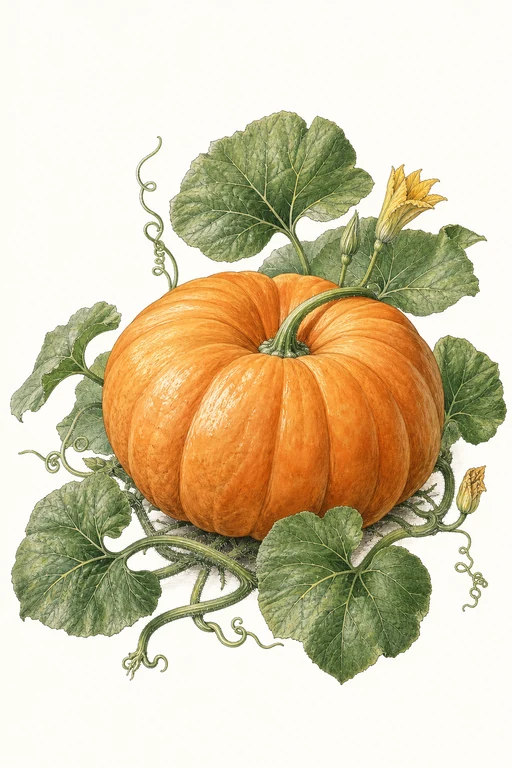
Atlantic Giant
Sink your hands into the thick, velvety flesh of Atlantic Giant—an imposing pumpkin bred for truly monumental size and a rich, full-bodied sweetness.
The rind turns a deep, burnished orange with a sturdy, sculpted surface, while the interior offers a dense, spoonable texture that shines in hearty preparations and bold preserves. Grow one for the sheer spectacle of a garden centerpiece that rewards the season with abundant, flavorful fruit.
Light: Full SunMaturity: 120 DaysHabit: Vine
Location not set yet
Location not set yet
Enter your ZIP for local crop dates
Atlantic Giant Planting Dates by USDA Zone
Estimated US hardiness-zone windows for sow, transplant, and harvest. Enter a US ZIP above for exact local dates, or open a zone below.
| Zone | Start Indoors | Sow / Transplant | Harvest |
|---|---|---|---|
| Zone 1a | Protected Environment Only | ||
| Zone 1b | Protected Environment Only | ||
| Zone 2a | Protected Environment Only | ||
| Zone 2b | Protected Environment Only | ||
| Zone 3a | Protected Environment Only | ||
| Zone 3b | May 19th | Jun 2nd | Sep 30th – Sep 21st |
| Zone 4a | May 15th | May 29th | Sep 26th – Sep 24th |
| Zone 4b | May 13th | May 27th | Sep 24th – Sep 27th |
| Zone 5a | May 8th | May 22nd | Sep 19th – Sep 30th |
| Zone 5b | May 4th | May 18th | Sep 15th – Oct 5th |
| Zone 6a | May 1st | May 15th | Sep 12th – Oct 10th |
| Zone 6b | Apr 25th | May 9th | Sep 6th – Oct 16th |
| Zone 7a | Apr 20th | May 4th | Sep 1st – Oct 20th |
| Zone 7b | Apr 10th | Apr 24th | Aug 22nd – Oct 28th |
| Zone 8a | Apr 1st | Apr 15th | Aug 13th – Nov 5th |
| Zone 8b | Mar 23rd | Apr 6th | Aug 4th – Nov 12th |
| Zone 9a | Mar 6th | Mar 20th | Jul 18th – Nov 26th |
| Zone 9b | Feb 9th | Feb 23rd | Jun 23rd – Dec 9th |
| Zone 10a | Continuous Production | ||
| Zone 10b | Continuous Production | ||
| Zone 11a | Continuous Production | ||
| Zone 11b | Continuous Production | ||
| Zone 12a | Continuous Production | ||
| Zone 12b | Continuous Production | ||
| Zone 13a | Continuous Production | ||
| Zone 13b | Continuous Production | ||
Crop Details
| Trait | Value |
|---|---|
| Days to Maturity | 120 |
| Sun Requirements | Full Sun |
| Growth Habit | Vine |
| Support Needed | Trellis |
| Planting Depth | Normal |
| Germination Temp (°F) | 75 |
| Min Soil Temp (°F) | 65 |
| Min Night Temp (°F) | 55 |
| Harden Off (days) | 10 |
Culinary Notes

Chef's Note
Built for big heat and longer cooking: the flesh goes from thick and spoonable to silky without turning watery. Roast hard, puree hot, and lean into warm spice—this giant’s sweetness caramelizes fast and holds up in pies and hearty soups.

Best Uses
- slow-roasted wedges for jammy, custardy edges
- thick purée for soup base or ravioli filling
- sturdy pies and dense preserves that set without thinning
- pan-roasted cubes tossed into browned butter and sage

Flavor Profile

Frequently Asked Questions
Why are my Atlantic Giant leaves getting powdery white spots and how do I stop it?
How often should I water Atlantic Giant vines during the main growth period?
How can I tell when my Atlantic Giant pumpkin is ready to harvest?
Sowing Tips

Transplant Conditions
Wait until soil reaches 65°F and nights stay above 55°F before moving outdoors. Harden off for 10 days first.

Direct Sow Preferred
Sensitive roots — does not transplant well. If starting indoors, use biodegradable pots and disturb roots as little as possible when moving outdoors.
Expert Note

For Atlantic Giant, start with ample compost and space—use a single main vine per hill and remove excess female flowers to push for maximum size.