
Aunt Molly's
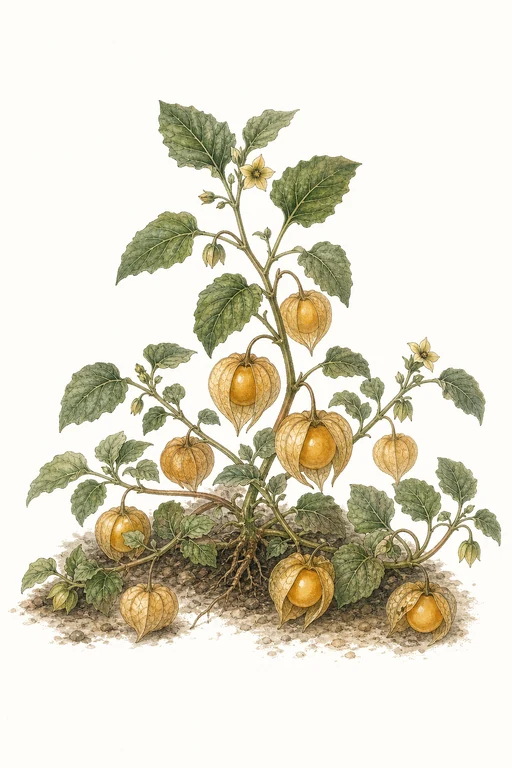
Sun-warmed sweetness pours from Aunt Molly’s ground cherries, framed by papery husks that turn a burnished golden-tan as the fruit ripens.
The berries are tender and juicy with a delicate, tangy depth—an irresistible treat straight from the plant, and a standout for preserves and bright sauces. Grow this 80-day favorite for a steady harvest of lantern-like fruit that looks as delightful as it tastes in the garden.
Light: Full SunMaturity: 80 DaysHabit: Indeterminate
Planting schedules and alerts are optimized for Columbus (Zone 6b).
Crop Dates
| Milestone | Date |
|---|---|
| Start Indoors | Mar 14th |
| Last Frost | Apr 25th |
| Transplant / Sow Outdoors | Jun 20th |
| Harvest Begins | Sep 8th |
| Harvest Ends | Oct 16th |
Crop Details
| Trait | Value |
|---|---|
| Days to Maturity | 80 |
| Sun Requirements | Full Sun |
| Growth Habit | Indeterminate |
| Support Needed | Stake |
| Planting Depth | Normal |
| Germination Temp (°F) | 75 |
| Min Soil Temp (°F) | 60 |
| Min Night Temp (°F) | 50 |
| Harden Off (days) | 10 |
Culinary Notes

Chef's Note
These ground cherries (Aunt Molly’s) taste like a tiny, juicy fruit with a clean tang that doesn’t turn muddy when cooked—short simmer time is key to keep the brightness. Their husk-wrapped sweetness makes them especially good in quick preserves and relishes where you want fruit juiciness to stay distinct rather than collapse into jam.

Best Uses
- fresh snacking—husk the fruit at the table for maximum aroma
- quick jam or preserve with a short boil to keep the tang lively
- bright salsa or relish for pork and roasted poultry
- stirred into a warm compote to gloss oatmeal or ricotta

Flavor Profile

Kitchen Pairings
Frequently Asked Questions
How do I manage early blight on Aunt Molly's tomatoes?
How often should I water Aunt Molly's tomatoes during the main growing phase?
When is Aunt Molly's ready to harvest, and how can I tell?
Sowing Tips

Transplant Conditions
Wait until soil reaches 60°F and nights stay above 50°F before moving outdoors. Harden off for 10 days first.
Expert Note

Start ground cherry indoors warm, then transplant only once nights are reliably warm (50°F+), because cool soil can stunt early growth.