
Baby Bear
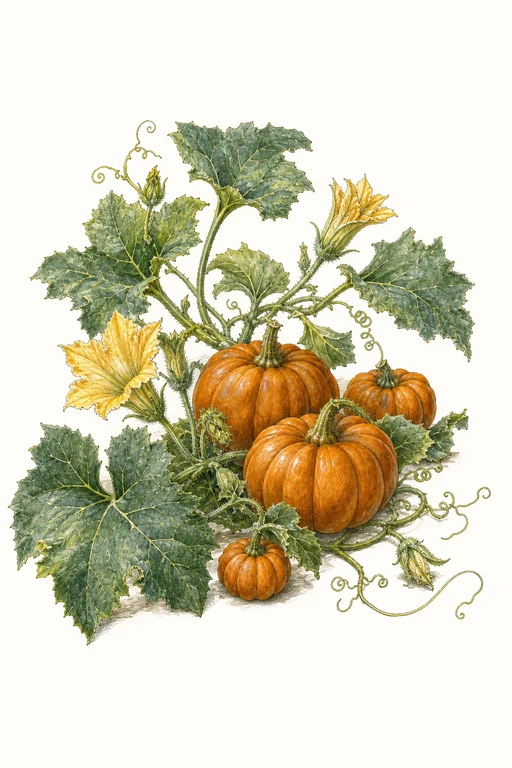
Sink your fingers into Baby Bear’s delightfully compact fruits, where a velvety, deep-ribbed skin glows in warm orange-copper tones and feels satisfyingly substantial in the hand.
The flesh is richly flavored and tender, with a fine-grained bite that shines when roasted for caramelized sweetness, or when used for hearty sauces and festive preserves. Ideal for gardeners who love showy, space-smart harvests, Baby Bear matures to miniature pumpkins that hold their charm well from vine to display.
Light: Full SunMaturity: 95 DaysHabit: Vine
Crop Dates : 12a
| Milestone | Date |
|---|---|
| Climate | Frost-Free Climate |
| Growing Approach | Continuous Production |
Crop Details
| Trait | Value |
|---|---|
| Days to Maturity | 95 |
| Sun Requirements | Full Sun |
| Growth Habit | Vine |
| Support Needed | Trellis |
| Planting Depth | Normal |
| Germination Temp (°F) | 80 |
| Min Soil Temp (°F) | 65 |
| Min Night Temp (°F) | 55 |
| Harden Off (days) | 10 |
Culinary Notes

Chef's Note
Baby Bear’s miniature size concentrates the sweetness and keeps the flesh from turning mushy—roast it hot and you’ll get browned edges with a fine, velvety bite in the middle. Its deep-ribbed, substantial skin means it behaves like a proper squash: caramelizes, then melts into sauces rather than releasing bland water.

Best Uses
- roast, split-and-sear for caramelized edges and creamy centers
- miniature “bowls” for thick soups or ragù-style ladling
- puree for silky, spoonable soups and custardlike sauces
- festive preserves—compact enough to dice and hold shape

Flavor Profile

Frequently Asked Questions
How do I treat powdery mildew on Baby Bear plants?
How often should I water Baby Bear during the main growing phase?
When is Baby Bear ready to harvest?
Sowing Tips

Transplant Conditions
Wait until soil reaches 65°F and nights stay above 55°F before moving outdoors. Harden off for 10 days first.

Direct Sow Preferred
Sensitive roots — does not transplant well. If starting indoors, use biodegradable pots and disturb roots as little as possible when moving outdoors.
Expert Note

For the best chance of early harvest, set plants out only when nights are consistently warm and soil is near 70°F, then give them plenty of space to run.