
Big Red Ripper
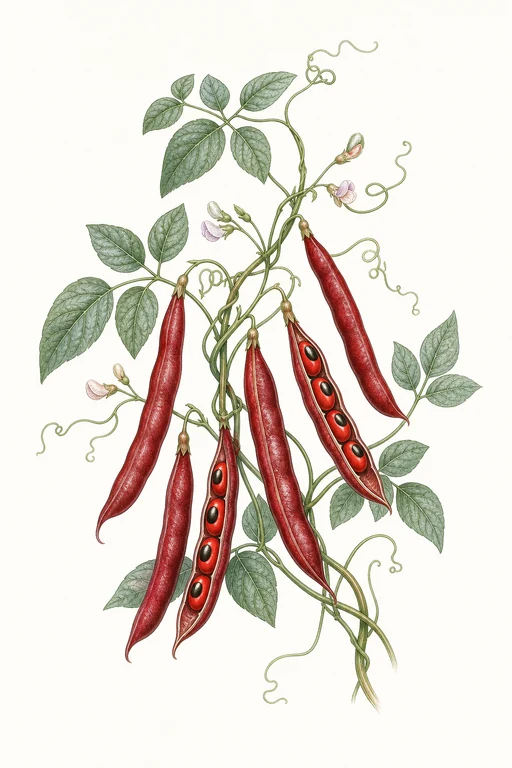
Sweetly fragrant pods open to reveal creamy, tender beans with a dramatic black “eye” set in warm red flesh—Big Red Ripper is a feast for the senses from garden to bowl.
The beans are prized for their velvety texture and rich, earthy-sweet flavor, making them especially compelling for hearty simmered dishes, fresh shelling, and robust sauces. Grow this 75-day standout for a dependable harvest rhythm and bold color that turns every serving into a centerpiece.
Light: Full SunMaturity: 75 DaysHabit: Bush
Crop Dates : 2b
| Milestone | Date |
|---|---|
| Start Indoors | Direct Sow |
| Last Frost | May 15th |
| Transplant / Sow Outdoors | May 15th |
| Harvest Begins | Jul 29th |
| Harvest Ends | Aug 25th |
Crop Details
| Trait | Value |
|---|---|
| Days to Maturity | 75 |
| Sun Requirements | Full Sun |
| Growth Habit | Bush |
| Support Needed | None |
| Planting Depth | Normal |
| Germination Temp (°F) | 75 |
| Min Soil Temp (°F) | 60 |
| Min Night Temp (°F) | 50 |
| Harden Off (days) | Not Required |
Culinary Notes

Chef's Note
These black-eyed peas bring a naturally creamy, velvety bite with sweet earthiness that tastes round even before sauces start doing their work. Use them in simmered dishes where you want the beans to stay tender and plush—then hit them with smoke, fat, and a little acid to make the red-and-black drama pop.

Best Uses
- quick shell-and-blanch bowls dressed with butter or olive oil
- hearty simmered potlikker-style stews with smoked fat
- thickening base for red-eye–leaning bean sauces and ragùs
- warm bean salad where the skins stay tender and creamy

Flavor Profile

Kitchen Pairings
Frequently Asked Questions
What pest or disease most commonly affects Vigna unguiculata (cowpeas/black-eyed peas) and how can I stop it?
How often should I water cowpeas (Vigna unguiculata) during the main growing phase?
How do I tell when Vigna unguiculata (‘big red ripper’ type) is ready to harvest?
Sowing Tips

Transplant Conditions
Wait until soil reaches 60°F and nights stay above 50°F before moving outdoors.
Expert Note

For best yields and uniform emergence, soak seed overnight (optional) and plant once soil is reliably warm and nights are consistently mild.