
Black Tartary
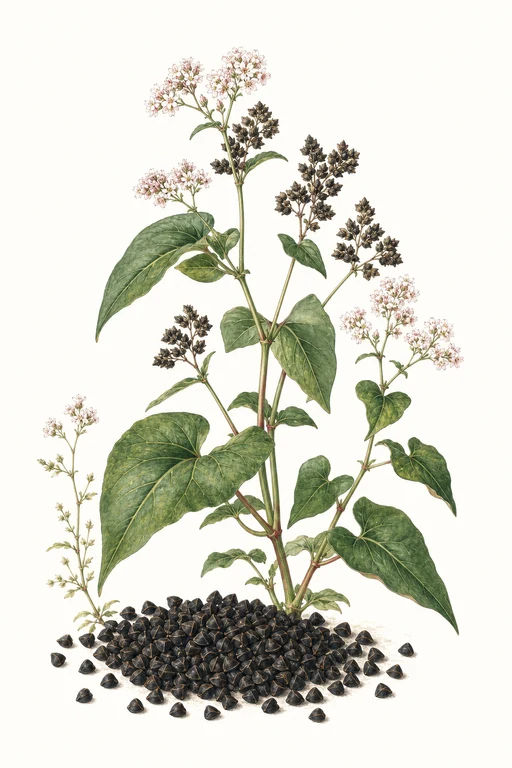
Aromatic, nutty kernels with a dark, inky character—Black Tartary buckwheat brings a deep, earthy richness to every harvest.
The grains develop a firm, pleasantly chewy bite and a fragrant, toasted note that shines in hearty bowls, robust pilafs, and warming porridges, as well as in rustic flours for breads and pancakes. Grow this 75-day variety for a dependable stand and a striking, almost velvety grain color that makes homegrown pantry staples feel truly special.
Light: Full SunMaturity: 75 DaysHabit: Upright
Planting schedules and alerts are optimized for Columbus (Zone 6b).
Crop Dates
| Milestone | Date |
|---|---|
| Start Indoors | Direct Sow |
| Last Frost | Apr 25th |
| Transplant / Sow Outdoors | Apr 25th |
| Harvest Begins | Jul 9th |
| Harvest Ends | Oct 16th |
Crop Details
| Trait | Value |
|---|---|
| Days to Maturity | 75 |
| Sun Requirements | Full Sun |
| Growth Habit | Upright |
| Support Needed | None |
| Planting Depth | Normal |
| Germination Temp (°F) | 60 |
| Min Soil Temp (°F) | 50 |
| Min Night Temp (°F) | 35 |
| Harden Off (days) | Not Required |
Culinary Notes

Chef's Note
Black Tartary buckwheat cooks up firm and chewy, with that toasted, almost inky earthiness that stands without needing much to prop it up. Use it where you want texture to matter—bowls, pilafs, and dark, hearty flours—not where you’d rather the grain melt away.

Best Uses
- warm soba-style bowls with a slick soy-based dressing
- toasted buckwheat pilaf where the grains stay separate and chew-forward
- thick, warming porridge that grips the spoon (not watery)
- rustic buckwheat flour for pancakes and quick breads with a deep, dark crust

Flavor Profile

Kitchen Pairings
Frequently Asked Questions
What pest or disease commonly affects Fagopyrum tataricum (black Tartary buckwheat), and how can I control it in my garden?
How often should I water black Tartary buckwheat during the main growing phase?
How do I tell when black Tartary buckwheat is ready to harvest?
Sowing Tips

Transplant Conditions
Wait until soil reaches 50°F and nights stay above 35°F before moving outdoors.
Expert Note

For reliable stands, sow after frost danger when soil is warming, keep the seedbed evenly moist until emergence, and harvest when most seeds are dark and firm.