
Blacktwig
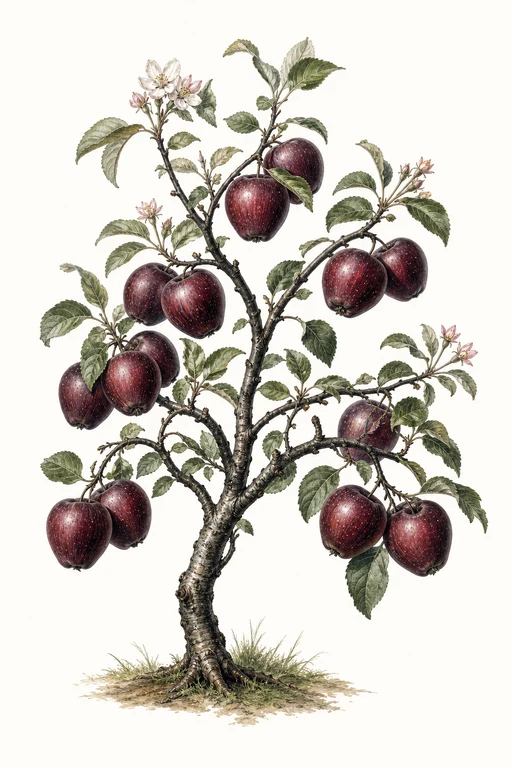
Aromatic and richly complex, Blacktwig apples bring a dark, velvety allure to the orchard—crisp flesh with a bright, tangy snap that turns beautifully sweet as it ripens.
Expect a fine-grained bite and a clean, juicy finish that shines in fresh-leaning use and holds its character for preserves and spiced preparations. Grow Blacktwig for the gardener’s pleasure of a dependable, late-season harvest with fruit that looks as striking as it tastes.
Light: Full SunMaturity: 120 DaysHabit: Shrub
Planting schedules and alerts are optimized for Columbus (Zone 6b).
Crop Dates
| Milestone | Date |
|---|---|
| Start Indoors | Direct Sow |
| Last Frost | Apr 25th |
| Transplant / Sow Outdoors | Apr 25th |
| Harvest Begins | Aug 23rd |
| Harvest Ends | Oct 16th |
Crop Details
| Trait | Value |
|---|---|
| Days to Maturity | 120 |
| Sun Requirements | Full Sun |
| Growth Habit | Shrub |
| Support Needed | None |
| Planting Depth | Normal |
| Germination Temp (°F) | 60 |
| Min Soil Temp (°F) | 50 |
| Min Night Temp (°F) | 28 |
| Harden Off (days) | Not Required |
Culinary Notes

Chef's Note
Blacktwig’s fine, crisp bite and tangy snap make it a rare apple that stays lively on a plate without turning mealy, even late-season. Use it when you want the fruit to carry through heat—sautéed, baked, or reduced into preserves—without losing that bright, juicy finish.

Best Uses
- thin slices on sharp, cool salads where the tang stays crisp
- hot skillet sauté—hold shape while turning glossy-sweet at the edges
- thick preserves or pâte de fruit–style jams (high payoff from juicy bite)
- spiced baked applications like galettes and strudels where the tang perfumes the sweetness

Flavor Profile

Kitchen Pairings
Frequently Asked Questions
What pest or disease most commonly affects Malus domestica (apple) “Blacktwig,” and what should I do?
How often should I water Malus domestica during the main growing phase (while it’s actively building fruit)?
How can I tell when Malus domestica is ready to harvest (120-day crop) in home garden conditions?
Sowing Tips

Transplant Conditions
Wait until soil reaches 50°F and nights stay above 28°F before moving outdoors.
Expert Note

Plant apple trees on a well-drained site and keep the root flare above soil level; for best results, choose a compatible pollinizer nearby.