
Bolivia 153
Meet Bolivia 153 amaranth—an aromatic, nutty grain with a warm, earthy sweetness and a pleasantly chewy bite once cooked.
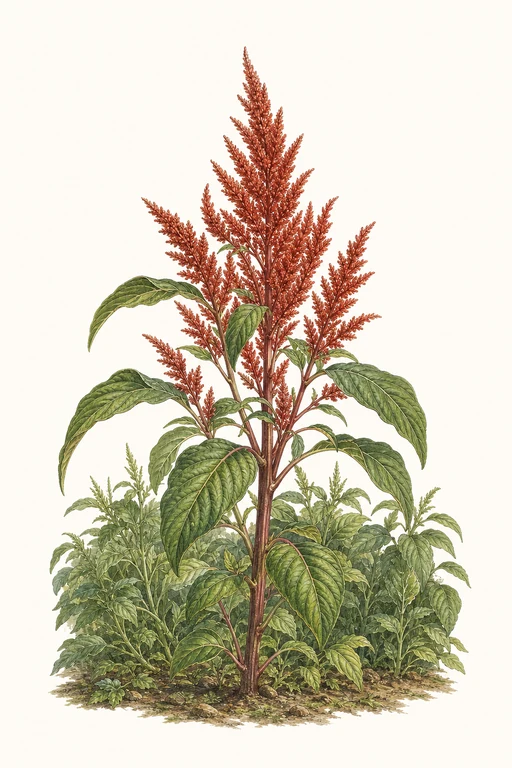
Its upright, richly branched plumes develop a striking, sunset-tinged presence that signals peak harvest readiness around 90 days. Grow it for hearty grain bowls, nourishing porridges, and bold, gluten-free flour for baking and thickening sauces.
Light: Full SunMaturity: 90 DaysHabit: Upright
Planting schedules and alerts are optimized for Columbus (Zone 6b).
Crop Dates
| Milestone | Date |
|---|---|
| Start Indoors | Direct Sow |
| Last Frost | Apr 25th |
| Transplant / Sow Outdoors | Apr 25th |
| Harvest Begins | Jul 24th |
| Harvest Ends | Oct 16th |
Crop Details
| Trait | Value |
|---|---|
| Days to Maturity | 90 |
| Sun Requirements | Full Sun |
| Growth Habit | Upright |
| Support Needed | None |
| Planting Depth | Surface |
| Germination Temp (°F) | 70 |
| Min Soil Temp (°F) | 60 |
| Min Night Temp (°F) | 50 |
| Harden Off (days) | Not Required |
Culinary Notes

Chef's Note
Bolivia 153 cooks up with a chewy, resilient texture and a warm, nutty sweetness that doesn’t fall apart under simmer—great for grain bowls and porridge where you want bite. Use it like a sturdier quinoa: it holds its shape, then takes on fat and acid beautifully for big, clean mouthfuls.

Best Uses
- hot grain bowls where it stays toothsome instead of mushy
- thick, spoonable porridges (milk or stock-based) that cling to the spoon
- gluten-free amaranth flour for nutty flatbreads or sturdy cookies
- grain-based thickeners for stews and chili without turning grainy

Flavor Profile

Kitchen Pairings
Frequently Asked Questions
How do I manage early blight on Bolivia 153 (90 days) if yellowing spots start showing on leaves?
How often should I water Bolivia 153 during the main growing phase (weeks 3–8 after transplanting)?
When is Bolivia 153 ready to harvest, and how do I know the timing is right?
Sowing Tips

Transplant Conditions
Wait until soil reaches 60°F and nights stay above 50°F before moving outdoors.
Expert Note

For this rare high-altitude grain type, sow directly after your last spring frost when soil warms to reduce slow, uneven emergence.