
Bradshaw
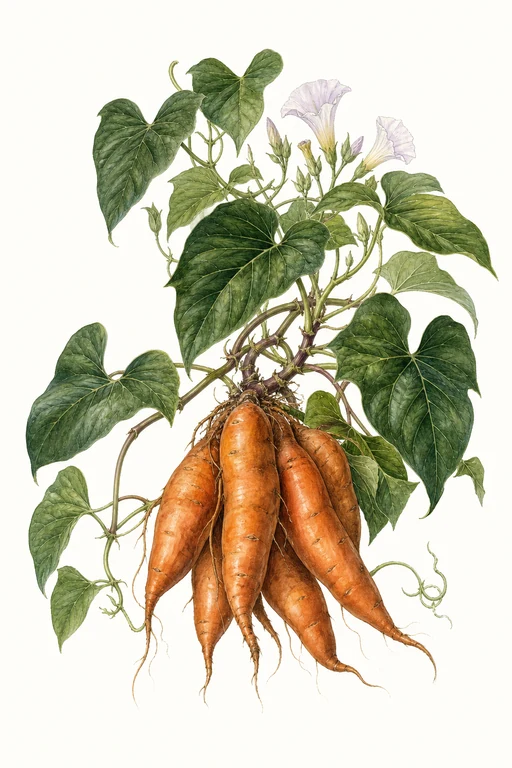
Sink your spoon into Bradshaw’s orange sweet potatoes for a richly sweet, honeyed flavor with a velvety, creamy texture that turns luxuriously tender.
The roots develop a warm orange interior and a smooth, well-shaped form that’s especially satisfying for roasting, mashing, and silky sauces, with standout performance for home storage and seasonal harvest. Grow Bradshaw for a dependable 110-day rhythm and a harvest that feels like autumn in every bite.
Light: Full SunMaturity: 110 DaysHabit: Vine
Planting schedules and alerts are optimized for Columbus (Zone 6b).
Crop Dates
| Milestone | Date |
|---|---|
| Start Indoors | Mar 14th |
| Last Frost | Apr 25th |
| Transplant / Sow Outdoors | May 9th |
| Harvest Begins | Aug 27th |
| Harvest Ends | Oct 16th |
Crop Details
| Trait | Value |
|---|---|
| Days to Maturity | 110 |
| Sun Requirements | Full Sun |
| Growth Habit | Vine |
| Support Needed | Trellis |
| Planting Depth | Normal |
| Germination Temp (°F) | 80 |
| Min Soil Temp (°F) | 60 |
| Min Night Temp (°F) | 55 |
| Harden Off (days) | 7 |
Culinary Notes

Chef's Note
Bradshaw leans intensely sweet and creamy—its flesh behaves like a natural thickener, going luxe when pureed or mashed. Give it heat to drive caramel notes, then balance with salt, smoke, pepper, or a sharp citrus snap so the sweetness feels bright instead of heavy.

Best Uses
- roasting until caramel-brown at the edges, then scooping for a custardy center
- mashing with butter or olive oil for a silky, thick mash that won’t get watery
- silky purées for gratins or spoonable sauces
- baking or pan-frying for a soft interior with lightly bronzed surfaces

Flavor Profile

Kitchen Pairings
Frequently Asked Questions
How do I manage early blight on Bradshaw potatoes in home gardens?
How often should I water Bradshaw potatoes during the main growing phase (after plants emerge)?
When are Bradshaw potatoes ready to harvest and how can I tell?
Sowing Tips

Transplant Conditions
Wait until soil reaches 60°F and nights stay above 55°F before moving outdoors. Harden off for 7 days first.
Expert Note

Bradshaw-type potatoes are planted when soil has warmed enough to encourage steady tuber growth—wait for reliably frost-free conditions in your area even though they’re more cold-tolerant than typical table potatoes.