
Burpee's Wildflower Mix For Bees
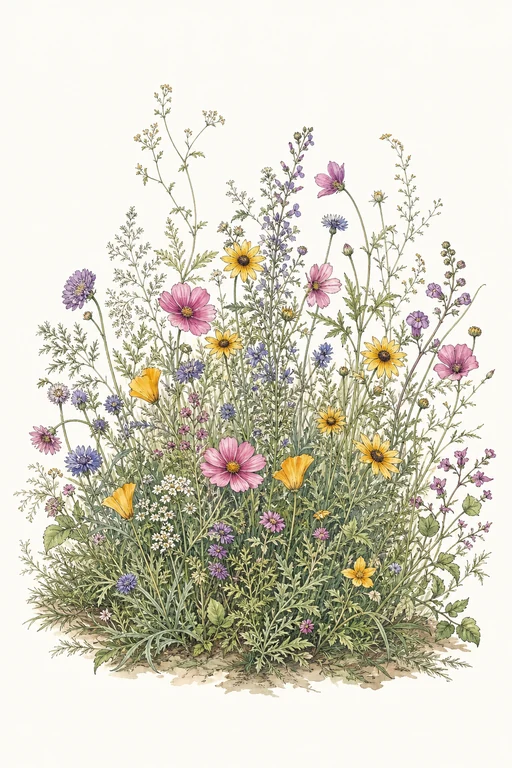
A riot of color and fragrance for the senses—this Burpee’s Wildflower Mix For Bees blooms with a lively, nectar-rich tapestry that draws buzzing visitors from morning to dusk.
Expect a pleasing mix of textures, from airy, feathery plumes to sturdy, upright blossoms, creating a garden that looks alive in every season of bloom. Ideal for establishing pollinator habitat and supporting biodiversity, this mix is a beautiful, effortless way to turn open space into a thriving floral chorus.
Light: Full SunMaturity: 70 DaysHabit: Clumping
Planting schedules and alerts are optimized for Columbus (Zone 6b).
Crop Dates
| Milestone | Date |
|---|---|
| Start Indoors | Direct Sow |
| Last Frost | Apr 25th |
| Transplant / Sow Outdoors | Apr 25th |
| Harvest Begins | Jul 4th |
| Harvest Ends | Oct 16th |
Crop Details
| Trait | Value |
|---|---|
| Days to Maturity | 70 |
| Sun Requirements | Full Sun |
| Growth Habit | Clumping |
| Support Needed | None |
| Planting Depth | Surface |
| Germination Temp (°F) | 65 |
| Min Soil Temp (°F) | 55 |
| Min Night Temp (°F) | 40 |
| Harden Off (days) | Not Required |
Culinary Notes

Chef's Note
Burpee’s Wildflower Mix is primarily a biodiversity/pollinator planting, and the exact edible flavor isn’t dependable because the blend contains multiple unknown species. Harvesting “flowers” for the plate only works if you can identify specific, reliably food-safe varieties—otherwise, it’s for the garden, not the kitchen.

Best Uses
- Not an ingredient mix—treat as a pollinator habitat
- If you want edible petals, harvest only from clearly identified, food-safe species

Flavor Profile
Frequently Asked Questions
What’s a common pest or disease problem for wildflower bee mixes, and how can I prevent it?
How often should I water during the main growing phase for a Burpee’s wildflower bee mix?
How do I tell when a Burpee’s wildflower bee mix is ready to harvest (or cut back)?
Sowing Tips

Transplant Conditions
Wait until soil reaches 55°F and nights stay above 40°F before moving outdoors.
Expert Note

For best establishment, sow thinly on lightly scratched soil, keep consistently moist until seedlings emerge, then thin to avoid crowding.