
Calypso Chamomile
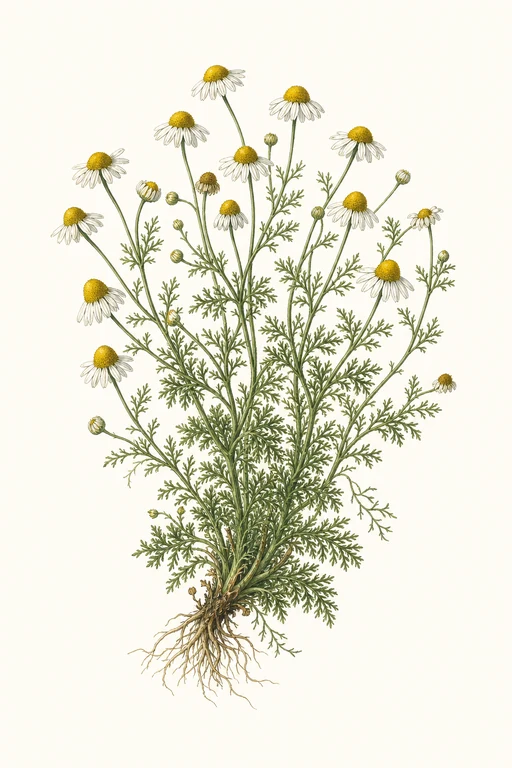
Aromas of apple-sweet chamomile drift up as the delicate, daisy-like blooms open—fragrant, honeyed, and impossibly calming.
Calypso Chamomile forms tidy, branching plants with fine, feathery foliage and abundant flowers that deliver a gentle, floral flavor with a crisp, airy texture. Grow it for soothing herbal infusions and for drying—its blossoms hold their character beautifully for later use in teas and calming blends.
Light: Full SunMaturity: 70 DaysHabit: Upright
Location not set yet
Location not set yet
Enter your ZIP for local crop dates
Calypso Chamomile Planting Dates by USDA Zone
Estimated US hardiness-zone windows for sow, transplant, and harvest. Enter a US ZIP above for exact local dates, or open a zone below.
| Zone | Start Indoors | Sow / Transplant | Harvest |
|---|---|---|---|
| Zone 1a | Protected Environment Only | ||
| Zone 1b | Protected Environment Only | ||
| Zone 2a | Apr 27th | May 25th | Aug 3rd – Aug 29th |
| Zone 2b | Apr 17th | May 15th | Jul 24th – Aug 25th |
| Zone 3a | Apr 17th | May 15th | Jul 24th – Sep 1st |
| Zone 3b | Apr 21st | May 19th | Jul 28th – Sep 21st |
| Zone 4a | Apr 17th | May 15th | Jul 24th – Sep 24th |
| Zone 4b | Apr 15th | May 13th | Jul 22nd – Sep 27th |
| Zone 5a | Apr 10th | May 8th | Jul 17th – Sep 30th |
| Zone 5b | Apr 6th | May 4th | Jul 13th – Oct 5th |
| Zone 6a | Apr 3rd | May 1st | Jul 10th – Oct 10th |
| Zone 6b | Mar 28th | Apr 25th | Jul 4th – Oct 16th |
| Zone 7a | Mar 23rd | Apr 20th | Jun 29th – Oct 20th |
| Zone 7b | Mar 13th | Apr 10th | Jun 19th – Oct 28th |
| Zone 8a | Mar 4th | Apr 1st | Jun 10th – Nov 5th |
| Zone 8b | Feb 23rd | Mar 23rd | Jun 1st – Nov 12th |
| Zone 9a | Feb 6th | Mar 6th | May 15th – Nov 26th |
| Zone 9b | Jan 12th | Feb 9th | Apr 20th – Dec 9th |
| Zone 10a | — | Oct 1st | Dec 10th – Feb 28th |
| Zone 10b | — | Oct 1st | Dec 10th – Feb 28th |
| Zone 11a | — | Oct 1st | Dec 10th – Feb 28th |
| Zone 11b | — | Oct 1st | Dec 10th – Feb 28th |
| Zone 12a | — | Oct 1st | Dec 10th – Feb 28th |
| Zone 12b | — | Oct 1st | Dec 10th – Feb 28th |
| Zone 13a | — | Oct 1st | Dec 10th – Feb 28th |
| Zone 13b | — | Oct 1st | Dec 10th – Feb 28th |
Crop Details
| Trait | Value |
|---|---|
| Days to Maturity | 70 |
| Sun Requirements | Full Sun |
| Growth Habit | Upright |
| Support Needed | None |
| Planting Depth | Surface |
| Germination Temp (°F) | 65 |
| Min Soil Temp (°F) | 40 |
| Min Night Temp (°F) | 35 |
| Harden Off (days) | 7 |
Culinary Notes

Chef's Note
Calypso chamomile drinks like a soft floral perfume—apple-sweet at first sip, then a clean, faintly bitter finish that never gets heavy. It’s especially good when you steep gently (or steep, then strain fast) so the blossoms keep their honeyed lift instead of turning tannic.

Best Uses
- steeping blossoms for soothing hot or iced herbal tea
- drying blooms to preserve their honeyed perfume for winter infusions
- folding into custards or panna cotta as a floral, low-heat steep
- infusing syrup or honey for teatime drizzle and rim-sugar aromatics

Flavor Profile

Kitchen Pairings
Frequently Asked Questions
What pest or disease problem most often affects Matricaria chamomilla (German chamomile), and how do I treat it?
How often should I water Matricaria chamomilla during its main growing phase?
How can I tell when Matricaria chamomilla is ready to harvest for best quality?
Sowing Tips

Transplant Conditions
Wait until soil reaches 40°F and nights stay above 35°F before moving outdoors. Harden off for 7 days first.
Expert Note

For the best tea quality, grow chamomile in full sun and keep plants evenly moist but never waterlogged; harvest flowers when they’re fully open.