
Camarosa
First comes the fragrance—sweet, sun-warmed strawberry perfume that rises the moment the berries blush.
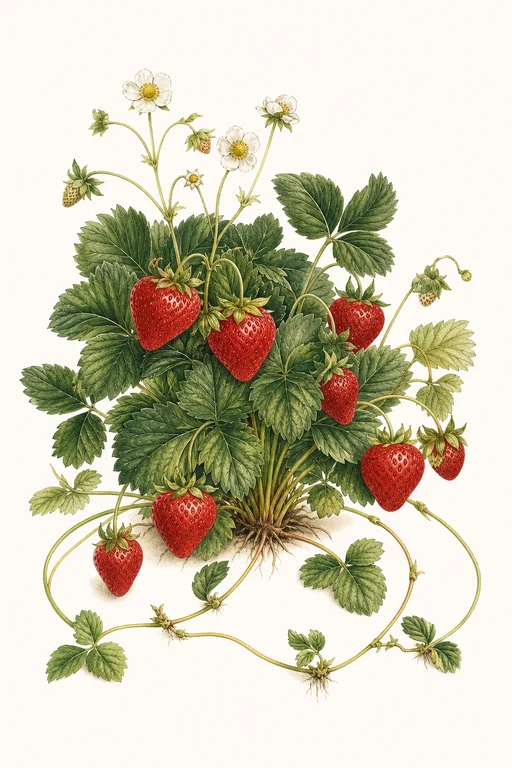
Camarosa delivers bright, glossy fruit with a firm, juicy bite and a classic, well-balanced flavor that shines whether you’re enjoying them straight from the garden or turning them into vibrant preserves and sauces.
Light: Full SunHabit: Perennial_Crown
Crop Dates : 7a
| Milestone | Date |
|---|---|
| Start Indoors | Direct Sow |
| Last Frost | Apr 20th |
| Transplant / Sow Outdoors | Apr 20th |
| Harvest Begins | Apr 20th |
| Harvest Ends | Oct 20th |
Crop Details
| Trait | Value |
|---|---|
| Days to Maturity | N/A |
| Sun Requirements | Full Sun |
| Growth Habit | Perennial_Crown |
| Support Needed | None |
| Planting Depth | Normal |
| Germination Temp (°F) | 70 |
| Min Soil Temp (°F) | 45 |
| Min Night Temp (°F) | 32 |
| Harden Off (days) | Not Required |
Culinary Notes

Chef's Note
Camarosa holds together with a firm, juicy chewideal when you want berries to stay present instead of turning into jammy mush. Its classic balance of sweetness and bright acidity makes it fly in quick macerations and thickened sauces, where the aroma stays front-and-center.

Best Uses
- eat freshespecially slightly chilled for a snappy bite
- cook-down strawberry preserves and jam with good structure (less collapse)
- fast maceration for syrupy topping without turning grainy
- stirred into yogurt or whipped ricotta for a spoonable, fruit-forward finish

Flavor Profile

Kitchen Pairings
Frequently Asked Questions
What’s the most common strawberry (Fragaria × ananassa) disease in home gardens, and how do I manage it?
How often should I water Fragaria × ananassa during the main growing/fruiting phase?
How can I tell when Camarosa strawberries are ready to harvest?
Sowing Tips

Transplant Conditions
Wait until soil reaches 45°F and nights stay above 32°F before moving outdoors.
Expert Note

Plant crowns at soil level (don’t bury the heart), keep beds weed-free, and aim for drip irrigation for best June yields.