
Candy Roaster
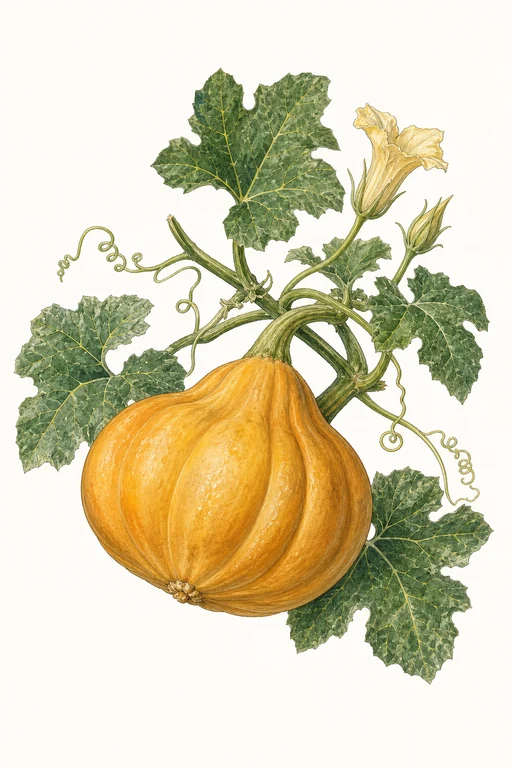
Sink your spoon into Candy Roaster’s exceptionally sweet, honeyed flesh—firm yet velvety, with a warm golden-orange glow that feels like autumn sunshine.
This winter squash forms a sturdy, sprawling plant that matures to large, ribbed fruits with a candy-like depth of flavor, ideal for roasting until caramelized at the edges and for silky purées and hearty sauces. Grow it for a long-keeping harvest that turns everyday meals into seasonal favorites from the first harvest through winter storage.
Light: Full SunMaturity: 100 DaysHabit: Vine
Planting schedules and alerts are optimized for Columbus (Zone 6b).
Crop Dates
| Milestone | Date |
|---|---|
| Start Indoors | Apr 11th |
| Last Frost | Apr 25th |
| Transplant / Sow Outdoors | Apr 25th |
| Harvest Begins | Aug 3rd |
| Harvest Ends | Oct 16th |
Crop Details
| Trait | Value |
|---|---|
| Days to Maturity | 100 |
| Sun Requirements | Full Sun |
| Growth Habit | Vine |
| Support Needed | Trellis |
| Planting Depth | Normal |
| Germination Temp (°F) | 80 |
| Min Soil Temp (°F) | 65 |
| Min Night Temp (°F) | 55 |
| Harden Off (days) | 12 |
Culinary Notes

Chef's Note
Candy Roaster leans aggressively sweet and honeyed, with flesh that turns velvety rather than stringy—so it purées smoothly and thickens sauces instead of thinning them. Roast it hot and let the edges go deep amber; that caramel-squash note plays like candy against sage, smoke, and fat.

Best Uses
- roast until the edges caramelize, then spoon with flaky salt and browned butter
- silky purée for soups or pasta sauces (no need to reduce much)
- thick cube roasting for sheet-pan caramelization and chew
- spoon into hearty chili or braises as a starchy, sweetening element

Flavor Profile

Frequently Asked Questions
What’s a common pest or disease for Cucurbita maxima (Candy Roaster) and how do I manage it?
How often should I water Candy Roaster (Cucurbita maxima) during the main growing phase?
How can I tell when Candy Roaster (Cucurbita maxima) is ready to harvest?
Sowing Tips

Transplant Conditions
Wait until soil reaches 65°F and nights stay above 55°F before moving outdoors. Harden off for 12 days first.

Direct Sow Preferred
Sensitive roots — does not transplant well. If starting indoors, use biodegradable pots and disturb roots as little as possible when moving outdoors.
Expert Note

Because Candy Roaster is a heat-loving cucurbit, transplant only after nights are reliably warm and keep root disturbance minimal (use peat/fiber pots if starting indoors).