
Candystick Dessert
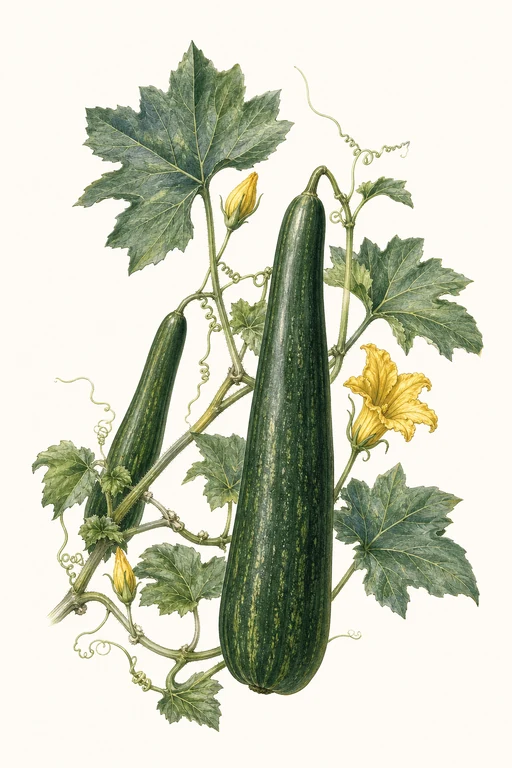
Aromatic and richly sweet, Candystick Dessert winter squash brings a velvety, spoonable flesh with a warm, honeyed depth and a fine, silky texture that feels almost custard-like.
The fruits develop on sturdy vines into elongated, candlestick forms with a deep, handsome rind that protects their flavor through storage. Grow it for roasting trays, savory-sweet purées, and smooth sauces—an elegant centerpiece squash that turns every harvest into a comforting seasonal ritual.
Light: Full SunMaturity: 95 DaysHabit: Vine
Planting schedules and alerts are optimized for Columbus (Zone 6b).
Crop Dates
| Milestone | Date |
|---|---|
| Start Indoors | May 2nd |
| Last Frost | Apr 25th |
| Transplant / Sow Outdoors | May 16th |
| Harvest Begins | Aug 19th |
| Harvest Ends | Oct 16th |
Crop Details
| Trait | Value |
|---|---|
| Days to Maturity | 95 |
| Sun Requirements | Full Sun |
| Growth Habit | Vine |
| Support Needed | Trellis |
| Planting Depth | Normal |
| Germination Temp (°F) | 70 |
| Min Soil Temp (°F) | 65 |
| Min Night Temp (°F) | 55 |
| Harden Off (days) | 12 |
Culinary Notes

Chef's Note
This is a winter squash that cooks down into a genuinely spoonable, custard-textured purée—roast it hard and let the edges caramelize for that warm honeyed note. It’s built for smooth sauces and puree bases, and it also pulls its weight in dessert where cinnamon and brown butter can frame the sweetness without clashing.

Best Uses
- roasting until it collapses into spoonable strands
- velvety purée for soups and sandwich spreads
- smooth, silky squash sauce for gnocchi or pasta
- dessert-leaning baked fillings (custard pies, sweet soufflé-style filling)

Flavor Profile

Frequently Asked Questions
What pest or disease most commonly affects Cucurbita pepo (Candystick Dessert), and how do I control it?
How often should I water Cucurbita pepo during its main growing phase (after flowering)?
How can I tell when Candystick Dessert (Cucurbita pepo) is ready to harvest?
Sowing Tips

Transplant Conditions
Wait until soil reaches 65°F and nights stay above 55°F before moving outdoors. Harden off for 12 days first.

Direct Sow Preferred
Sensitive roots — does not transplant well. If starting indoors, use biodegradable pots and disturb roots as little as possible when moving outdoors.
Expert Note

For best sweetness, grow in full sun and give it plenty of space; harvest at full rind hardening and cure the squash before eating.