
Caribbean
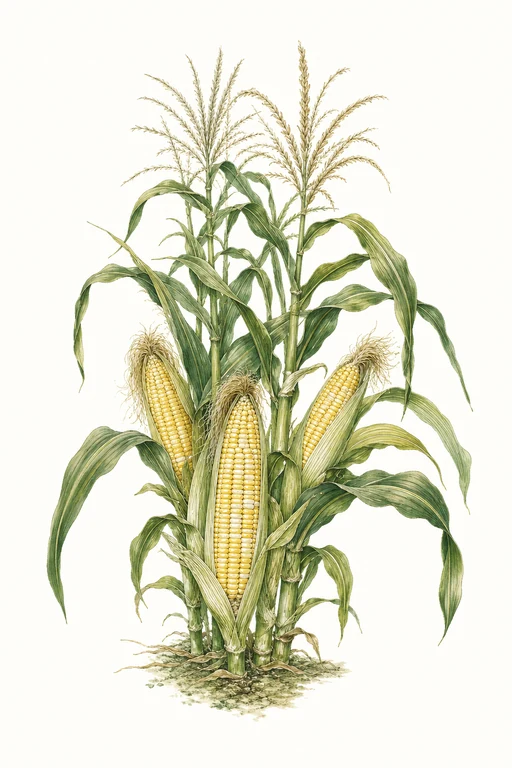
Sweet, milky kernels arrive with a golden glow—bursting with bright, honeyed flavor and a tender, juicy bite that feels almost silk-smooth.
“Caribbean” bicolor sweet corn forms well-filled ears with a balanced mix of warm butter-yellow and gentle white, delivering that classic, garden-fresh sweetness at about 75 days. Grow it for peak performance in the home patch, where its sturdy plants and generous ear set make every harvest feel abundant and rewarding.
Light: Full SunMaturity: 75 DaysHabit: Upright
Location not set yet
Location not set yet
Enter your ZIP for local crop dates
Caribbean Planting Dates by USDA Zone
Estimated US hardiness-zone windows for sow, transplant, and harvest. Enter a US ZIP above for exact local dates, or open a zone below.
| Zone | Start Indoors | Sow / Transplant | Harvest |
|---|---|---|---|
| Zone 1a | Protected Environment Only | ||
| Zone 1b | Protected Environment Only | ||
| Zone 2a | Direct Sow | May 25th | Aug 8th – Aug 29th |
| Zone 2b | Direct Sow | May 15th | Jul 29th – Aug 25th |
| Zone 3a | Direct Sow | May 15th | Jul 29th – Sep 1st |
| Zone 3b | Direct Sow | May 19th | Aug 2nd – Sep 21st |
| Zone 4a | Direct Sow | May 15th | Jul 29th – Sep 24th |
| Zone 4b | Direct Sow | May 13th | Jul 27th – Sep 27th |
| Zone 5a | Direct Sow | May 8th | Jul 22nd – Sep 30th |
| Zone 5b | Direct Sow | May 4th | Jul 18th – Oct 5th |
| Zone 6a | Direct Sow | May 1st | Jul 15th – Oct 10th |
| Zone 6b | Direct Sow | Apr 25th | Jul 9th – Oct 16th |
| Zone 7a | Direct Sow | Apr 20th | Jul 4th – Oct 20th |
| Zone 7b | Direct Sow | Apr 10th | Jun 24th – Oct 28th |
| Zone 8a | Direct Sow | Apr 1st | Jun 15th – Nov 5th |
| Zone 8b | Direct Sow | Mar 23rd | Jun 6th – Nov 12th |
| Zone 9a | Direct Sow | Mar 6th | May 20th – Nov 26th |
| Zone 9b | Direct Sow | Feb 9th | Apr 25th – Dec 9th |
| Zone 10a | Continuous Production | ||
| Zone 10b | Continuous Production | ||
| Zone 11a | Continuous Production | ||
| Zone 11b | Continuous Production | ||
| Zone 12a | Continuous Production | ||
| Zone 12b | Continuous Production | ||
| Zone 13a | Continuous Production | ||
| Zone 13b | Continuous Production | ||
Crop Details
| Trait | Value |
|---|---|
| Days to Maturity | 75 |
| Sun Requirements | Full Sun |
| Growth Habit | Upright |
| Support Needed | None |
| Planting Depth | Normal |
| Germination Temp (°F) | 60 |
| Min Soil Temp (°F) | 60 |
| Min Night Temp (°F) | 55 |
| Harden Off (days) | Not Required |
Culinary Notes

Chef's Note
“Caribbean” sweet corn leans into that classic milky sweetness—tender kernels that turn glossy with heat but don’t go starchy. It’s built for short-cook treatments (steam, grill, or fast char) where its honeyed, buttery bite stays loud and juicy.

Best Uses
- hot-off-the-cob grilling or steaming
- quick skillet char with a knob of butter
- creamy corn chowder or velouté-style soup
- corn-relish topping for tacos and burgers

Flavor Profile

Frequently Asked Questions
What pest or disease problem commonly affects sweet corn (Zea mays var. saccharata), and how can I prevent it?
How often should I water sweet corn during its main growth phase?
How do I know when Caribbean sweet corn is ready to harvest?
Sowing Tips

Transplant Conditions
Wait until soil reaches 60°F and nights stay above 55°F before moving outdoors.
Expert Note

Plant in blocks (not rows) and keep the soil evenly moist from tassel to silk for best kernel set and sweetness.