
Centennial
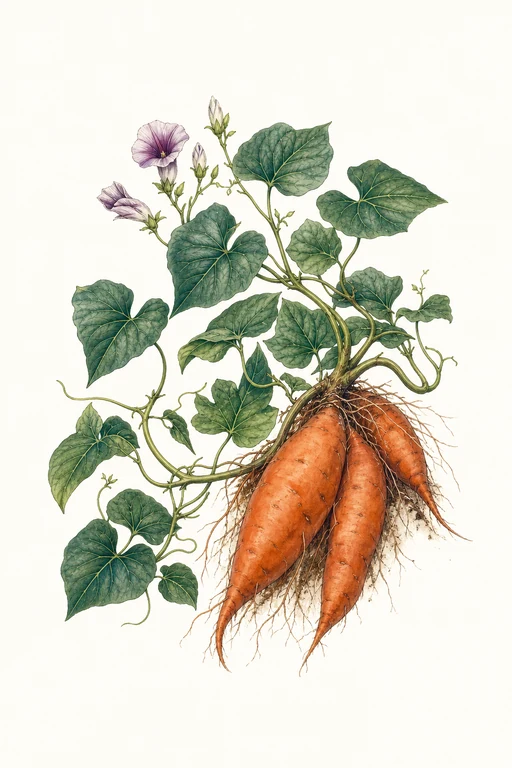
Sink your fork into Centennial’s richly saturated orange flesh—silky-smooth with a gentle sweetness that blooms as it warms.
The roots form with an elegant, uniform shape and a tender, velvety texture that shines in roasted preparations and hearty mashes, and it also lends itself beautifully to pies, soups, and vibrant purees. Grow Centennial for a dependable harvest of market-class orange roots at about 95 days, with the kind of color that makes every dish look freshly made.
Light: Full SunMaturity: 95 DaysHabit: Vine
Planting schedules and alerts are optimized for Columbus (Zone 6b).
Crop Dates
| Milestone | Date |
|---|---|
| Start Indoors | Direct Sow |
| Last Frost | Apr 25th |
| Transplant / Sow Outdoors | Apr 25th |
| Harvest Begins | Jul 29th |
| Harvest Ends | Oct 16th |
Crop Details
| Trait | Value |
|---|---|
| Days to Maturity | 95 |
| Sun Requirements | Full Sun |
| Growth Habit | Vine |
| Support Needed | None |
| Planting Depth | Normal |
| Germination Temp (°F) | 70 |
| Min Soil Temp (°F) | 65 |
| Min Night Temp (°F) | 55 |
| Harden Off (days) | Not Required |
Culinary Notes

Chef's Note
Centennial’s orange flesh goes from tender to spoon-smooth without getting grainy, so it earns its keep in roasts and mashes where other sweet potatoes turn fibrous. Its gentle sweetness welcomes butter, spice, and citrus—none of it fights, it just rounds out the caramel-leaning warmth.

Best Uses
- high-heat roasting where the edges caramelize and the center stays plush
- fork-mashed with butter and salt for a glossy, uniform bite
- thickening base for soups and chowders—no graininess, just silk
- sweet potato pie or custard-style purees for clean, orange-forward sweetness

Flavor Profile

Kitchen Pairings
Frequently Asked Questions
What pest or disease most commonly affects Ipomoea batatas (sweet potato ‘Centennial’) and what should I do?
How often should I water sweet potato ‘Centennial’ during its main growth phase?
How can I tell when ‘Centennial’ sweet potatoes are ready to harvest?
Sowing Tips

Transplant Conditions
Wait until soil reaches 65°F and nights stay above 55°F before moving outdoors.
Expert Note

For best results with Centennial (a winter-type squash), direct-sow or transplant only after soil warms—keep root disturbance minimal and give plenty of space for sprawling vines.