
Chester Thornless
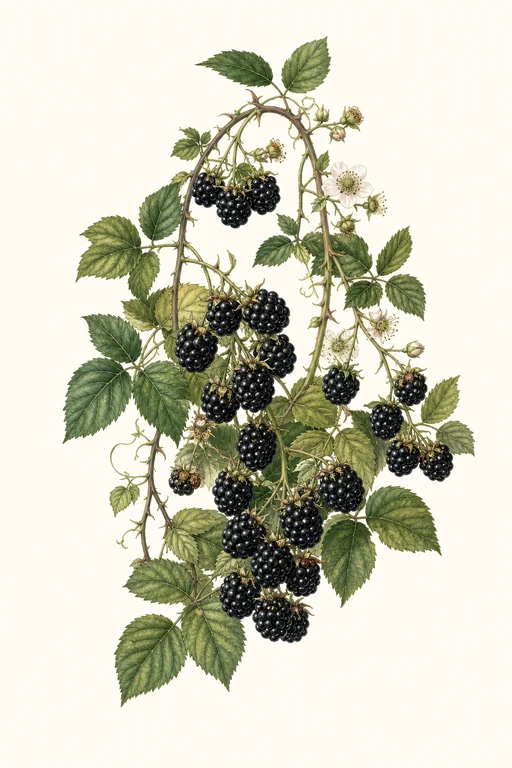
Succulent, glossy blackberries with a sweet-tart perfume and a juicy, tender bite—Chester Thornless brings the orchard’s richest flavor to the garden without the worry of sharp canes.
Expect abundant clusters of deep inky fruit that ripen over a steady season, ideal for turning into vibrant preserves and sauces, or enjoying fresh straight from the plant. Vigorous, thornless growth makes harvesting effortless, while the berries’ bold color and balanced tang shine in every jar and bowl.
Light: Full SunMaturity: 90 DaysHabit: Vine
Planting schedules and alerts are optimized for Columbus (Zone 6b).
Crop Dates
| Milestone | Date |
|---|---|
| Start Indoors | Direct Sow |
| Last Frost | Apr 25th |
| Transplant / Sow Outdoors | Apr 25th |
| Harvest Begins | Jul 24th |
| Harvest Ends | Oct 16th |
Crop Details
| Trait | Value |
|---|---|
| Days to Maturity | 90 |
| Sun Requirements | Full Sun |
| Growth Habit | Vine |
| Support Needed | Trellis |
| Planting Depth | Normal |
| Germination Temp (°F) | 70 |
| Min Soil Temp (°F) | 40 |
| Min Night Temp (°F) | 28 |
| Harden Off (days) | Not Required |
Culinary Notes

Chef's Note
Chester Thornless is built for eating and cooking: its glossy, juicy berries hit sweet-tart right away and keep a tender bite through short heat. Use that tang to sharpen preserves and sauces, and let the inky flavor play with vanilla, yogurt, or dark chocolate.

Best Uses
- jam and preserve where the fruit’s tartness helps set without tasting cloying
- quick blackberry sauce for pancakes, yogurt, or vanilla ice cream—simmer just to gloss and keep the seeds lively
- fresh berry bowl where they stay snappy and juicy instead of turning to mush
- baking: fold into muffins or crumble for a jammy center with clean, tangy snap

Flavor Profile

Kitchen Pairings
Frequently Asked Questions
How do I prevent and treat botrytis (gray mold) on Chester thornless blackberry canes and fruit?
How often should I water Chester thornless blackberries during their main growing phase?
When is Chester thornless blackberry ready to harvest, and how can I tell?
Sowing Tips

Transplant Conditions
Wait until soil reaches 40°F and nights stay above 28°F before moving outdoors.
Expert Note

Plant blackberry canes in full sun with a trellis, keep roots evenly moist the first season, and prune to separate first-year canes from fruiting canes for best yields.