
Cinderella
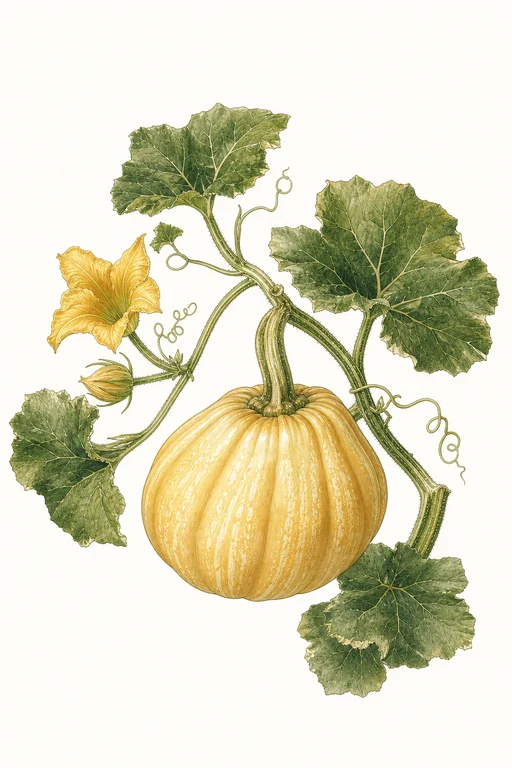
Sink your senses into Cinderella’s luminous, satin-smooth skin—an elegant pumpkin with a softly fluted silhouette and a warm, storybook glow that deepens as it ripens.
The flesh is richly textured, offering a dense, velvety bite prized for roasting and baking, and it also shines in hearty sauces and savory pies. Grow one and you’ll harvest a centerpiece-worthy fruit that turns the garden into a seasonal display from vine to pantry.
Light: Full SunMaturity: 100 DaysHabit: Vine
Location not set yet
Location not set yet
Enter your ZIP for local crop dates
Cinderella Planting Dates by USDA Zone
Estimated US hardiness-zone windows for sow, transplant, and harvest. Enter a US ZIP above for exact local dates, or open a zone below.
| Zone | Start Indoors | Sow / Transplant | Harvest |
|---|---|---|---|
| Zone 1a | Protected Environment Only | ||
| Zone 1b | Protected Environment Only | ||
| Zone 2a | Protected Environment Only | ||
| Zone 2b | Direct Sow | Jun 12th | Sep 20th – Aug 25th |
| Zone 3a | Direct Sow | Jun 12th | Sep 20th – Sep 1st |
| Zone 3b | Direct Sow | Jun 16th | Sep 24th – Sep 21st |
| Zone 4a | Direct Sow | Jun 12th | Sep 20th – Sep 24th |
| Zone 4b | Direct Sow | Jun 10th | Sep 18th – Sep 27th |
| Zone 5a | Direct Sow | Jun 5th | Sep 13th – Sep 30th |
| Zone 5b | Direct Sow | Jun 1st | Sep 9th – Oct 5th |
| Zone 6a | Direct Sow | May 29th | Sep 6th – Oct 10th |
| Zone 6b | Direct Sow | May 23rd | Aug 31st – Oct 16th |
| Zone 7a | Direct Sow | May 18th | Aug 26th – Oct 20th |
| Zone 7b | Direct Sow | May 8th | Aug 16th – Oct 28th |
| Zone 8a | Direct Sow | Apr 29th | Aug 7th – Nov 5th |
| Zone 8b | Direct Sow | Apr 20th | Jul 29th – Nov 12th |
| Zone 9a | Direct Sow | Apr 3rd | Jul 12th – Nov 26th |
| Zone 9b | Direct Sow | Mar 9th | Jun 17th – Dec 9th |
| Zone 10a | Continuous Production | ||
| Zone 10b | Continuous Production | ||
| Zone 11a | Continuous Production | ||
| Zone 11b | Continuous Production | ||
| Zone 12a | Continuous Production | ||
| Zone 12b | Continuous Production | ||
| Zone 13a | Continuous Production | ||
| Zone 13b | Continuous Production | ||
Crop Details
| Trait | Value |
|---|---|
| Days to Maturity | 100 |
| Sun Requirements | Full Sun |
| Growth Habit | Vine |
| Support Needed | Trellis |
| Planting Depth | Normal |
| Germination Temp (°F) | 75 |
| Min Soil Temp (°F) | 65 |
| Min Night Temp (°F) | 55 |
| Harden Off (days) | 10 |
Culinary Notes

Chef's Note
Cinderella’s flesh cooks down into a dense, velvety purée—ideal when you want body and caramelized sweetness without a watery wash. Roast it hard for browned, nutty edges, then fold into pies or purées that slice clean and hold their texture.

Best Uses
- roasting wedges until the flesh goes silky and browns in spots
- casseroles and thick purées that stay spoonable (not watery)
- savory pies where the filling sets and slices clean
- slow-simmered sauces and soups with minimal added thickener

Flavor Profile

Frequently Asked Questions
What pest or disease is most likely to hit Solanum tuberosum (potato), and what should I do right away?
How often should I water Solanum tuberosum during the main growing phase to get good tuber size?
How can I tell when Cinderella potatoes are ready to harvest?
Sowing Tips

Transplant Conditions
Wait until soil reaches 65°F and nights stay above 55°F before moving outdoors. Harden off for 10 days first.

Direct Sow Preferred
Sensitive roots — does not transplant well. If starting indoors, use biodegradable pots and disturb roots as little as possible when moving outdoors.
Expert Note

Start transplants only in a very short window and transplant after consistent warm weather so Cinderella winter squash can establish quickly without root disturbance.