
Cipollini
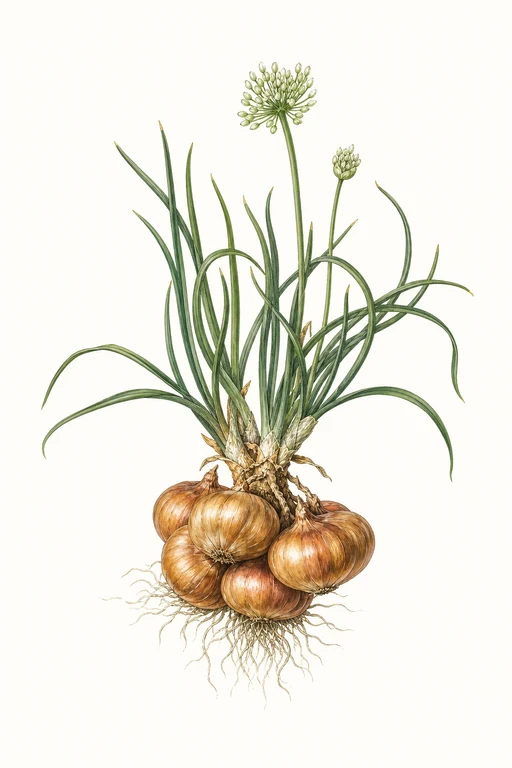
Sweet, mellow Cipollini onions arrive with a glossy, caramel-kissed skin and a tender, juicy bite that feels almost buttery in the mouth.
At maturity, the bulbs form neat, slightly flattened globes with crisp outer layers that peel away to reveal pale, delicately layered flesh—ideal for showcasing their natural sweetness. Grow Cipollini for roasting-style caramelization, skillet browning, and elegant pickling where their mild flavor shines in every slice.
Light: Full SunMaturity: 100 DaysHabit: Bulbing
Location not set yet
Location not set yet
Enter your ZIP for local crop dates
Cipollini Planting Dates by USDA Zone
Estimated US hardiness-zone windows for sow, transplant, and harvest. Enter a US ZIP above for exact local dates, or open a zone below.
| Zone | Start Indoors | Sow / Transplant | Harvest |
|---|---|---|---|
| Zone 1a | Protected Environment Only | ||
| Zone 1b | Protected Environment Only | ||
| Zone 2a | Protected Environment Only | ||
| Zone 2b | Direct Sow | May 15th | Aug 23rd – Aug 25th |
| Zone 3a | Direct Sow | May 15th | Aug 23rd – Sep 1st |
| Zone 3b | Direct Sow | May 19th | Aug 27th – Sep 21st |
| Zone 4a | Direct Sow | May 15th | Aug 23rd – Sep 24th |
| Zone 4b | Direct Sow | May 13th | Aug 21st – Sep 27th |
| Zone 5a | Direct Sow | May 8th | Aug 16th – Sep 30th |
| Zone 5b | Direct Sow | May 4th | Aug 12th – Oct 5th |
| Zone 6a | Direct Sow | May 1st | Aug 9th – Oct 10th |
| Zone 6b | Direct Sow | Apr 25th | Aug 3rd – Oct 16th |
| Zone 7a | Direct Sow | Apr 20th | Jul 29th – Oct 20th |
| Zone 7b | Direct Sow | Apr 10th | Jul 19th – Oct 28th |
| Zone 8a | Direct Sow | Apr 1st | Jul 10th – Nov 5th |
| Zone 8b | Direct Sow | Mar 23rd | Jul 1st – Nov 12th |
| Zone 9a | Direct Sow | Mar 6th | Jun 14th – Nov 26th |
| Zone 9b | Direct Sow | Feb 9th | May 20th – Dec 9th |
| Zone 10a | — | Oct 1st | Jan 9th – Feb 28th |
| Zone 10b | — | Oct 1st | Jan 9th – Feb 28th |
| Zone 11a | — | Oct 1st | Jan 9th – Feb 28th |
| Zone 11b | — | Oct 1st | Jan 9th – Feb 28th |
| Zone 12a | — | Oct 1st | Jan 9th – Feb 28th |
| Zone 12b | — | Oct 1st | Jan 9th – Feb 28th |
| Zone 13a | — | Oct 1st | Jan 9th – Feb 28th |
| Zone 13b | — | Oct 1st | Jan 9th – Feb 28th |
Crop Details
| Trait | Value |
|---|---|
| Days to Maturity | 100 |
| Sun Requirements | Full Sun |
| Growth Habit | Bulbing |
| Support Needed | None |
| Planting Depth | Normal |
| Germination Temp (°F) | 70 |
| Min Soil Temp (°F) | 45 |
| Min Night Temp (°F) | 35 |
| Harden Off (days) | 7 |
Culinary Notes

Chef's Note
Cipollini are the mild onion you keep around when you want caramelization without the punch-in-the-face harshness. Their tender, layered flesh turns silky fast in a hot pan or oven, making them perfect for jammy roasting and refined pickles.

Best Uses
- roast whole or in thick half-moons until jammy and deeply browned
- quick skillet browning for glossy, caramel-kissed slices
- elegant quick-pickling (thin rounds) where mildness stays clean
- thinly sliced raw for salads when you want sweetness, not sharpness

Flavor Profile

Kitchen Pairings
Frequently Asked Questions
What pest or disease most commonly affects Solanum tuberosum (cipollini-style potatoes), and what should I do early?
How often should I water Solanum tuberosum during the main tuber-growing phase?
How can I tell when cipollini potatoes (Solanum tuberosum) are ready to harvest?
Sowing Tips

Transplant Conditions
Wait until soil reaches 45°F and nights stay above 35°F before moving outdoors. Harden off for 7 days first.
Expert Note

For cipollini type onions, start early enough that plants establish before bulbing, then keep soil evenly moist until the tops start to fall over—consistent moisture boosts sweetness.