
Clear Dawn
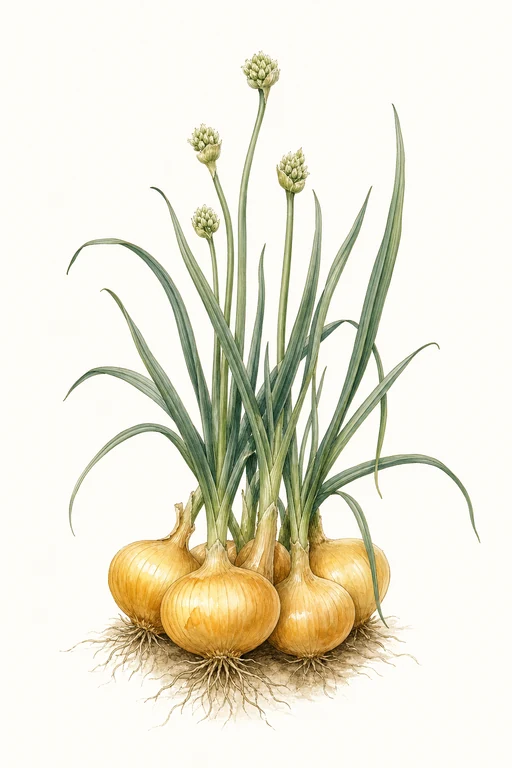
Clear Dawn yellow onions bring a bright, sunlit sweetness with a crisp, juicy bite and a clean, aromatic finish.
At maturity, the bulbs develop a smooth, golden skin that slips easily into storage-ready layers, while the interior stays firm and finely textured for reliable performance. Grow Clear Dawn for bold flavor in fresh salads, savory roasts, and golden-brown sauces—an everyday yellow onion with a luminous presence from garden to table.
Light: Full SunMaturity: 90 DaysHabit: Bulbing
Location not set yet
Location not set yet
Enter your ZIP for local crop dates
Clear Dawn Planting Dates by USDA Zone
Estimated US hardiness-zone windows for sow, transplant, and harvest. Enter a US ZIP above for exact local dates, or open a zone below.
| Zone | Start Indoors | Sow / Transplant | Harvest |
|---|---|---|---|
| Zone 1a | Protected Environment Only | ||
| Zone 1b | Protected Environment Only | ||
| Zone 2a | Mar 30th | May 18th | Aug 16th – Aug 29th |
| Zone 2b | Mar 20th | May 8th | Aug 6th – Aug 25th |
| Zone 3a | Mar 20th | May 8th | Aug 6th – Sep 1st |
| Zone 3b | Mar 24th | May 12th | Aug 10th – Sep 21st |
| Zone 4a | Mar 20th | May 8th | Aug 6th – Sep 24th |
| Zone 4b | Mar 18th | May 6th | Aug 4th – Sep 27th |
| Zone 5a | Mar 13th | May 1st | Jul 30th – Sep 30th |
| Zone 5b | Mar 9th | Apr 27th | Jul 26th – Oct 5th |
| Zone 6a | Mar 6th | Apr 24th | Jul 23rd – Oct 10th |
| Zone 6b | Feb 28th | Apr 18th | Jul 17th – Oct 16th |
| Zone 7a | Feb 23rd | Apr 13th | Jul 12th – Oct 20th |
| Zone 7b | Feb 13th | Apr 3rd | Jul 2nd – Oct 28th |
| Zone 8a | Feb 4th | Mar 25th | Jun 23rd – Nov 5th |
| Zone 8b | Jan 26th | Mar 16th | Jun 14th – Nov 12th |
| Zone 9a | Jan 9th | Feb 27th | May 28th – Nov 26th |
| Zone 9b | Dec 15th | Feb 2nd | May 3rd – Dec 9th |
| Zone 10a | — | Oct 1st | Dec 30th – Feb 28th |
| Zone 10b | — | Oct 1st | Dec 30th – Feb 28th |
| Zone 11a | — | Oct 1st | Dec 30th – Feb 28th |
| Zone 11b | — | Oct 1st | Dec 30th – Feb 28th |
| Zone 12a | — | Oct 1st | Dec 30th – Feb 28th |
| Zone 12b | — | Oct 1st | Dec 30th – Feb 28th |
| Zone 13a | — | Oct 1st | Dec 30th – Feb 28th |
| Zone 13b | — | Oct 1st | Dec 30th – Feb 28th |
Crop Details
| Trait | Value |
|---|---|
| Days to Maturity | 90 |
| Sun Requirements | Full Sun |
| Growth Habit | Bulbing |
| Support Needed | None |
| Planting Depth | Normal |
| Germination Temp (°F) | 70 |
| Min Soil Temp (°F) | 45 |
| Min Night Temp (°F) | 35 |
| Harden Off (days) | 7 |
Culinary Notes

Chef's Note
Clear Dawn is built for cooks who want the yellow-onion sweet without losing structure—the bite stays crisp, not flabby, even once dressed. Slice it thin for salad crunch, then let it carry color and aroma into caramelized edges and glossy pan sauces.

Best Uses
- thin slices for salads and raw toppings where it stays snappy
- caramelize until glossy and golden for sweet, mellow spoonability
- roast alongside meats to turn starchy edges jammy and browned
- use in golden-brown sauces and gravies for aromatic body without cloudiness

Flavor Profile

Kitchen Pairings
Frequently Asked Questions
How do I manage thrips or downy mildew on Allium cepa (onions) during cool-to-mild weather?
How often should I water Allium cepa during bulbing (mid-summer) to prevent split or soft bulbs?
What signs show Allium cepa is ready to harvest at about 90 days?
Sowing Tips

Transplant Conditions
Wait until soil reaches 45°F and nights stay above 35°F before moving outdoors. Harden off for 7 days first.
Expert Note

For best bulb formation and storage, keep seedlings weed-free and water consistently—bulbs size suffers with drought stress during bulbing.