
Common Sorrel
Tart, bright, and unmistakably lively, Common Sorrel brings a clean lemony tang with a tender, succulent bite.
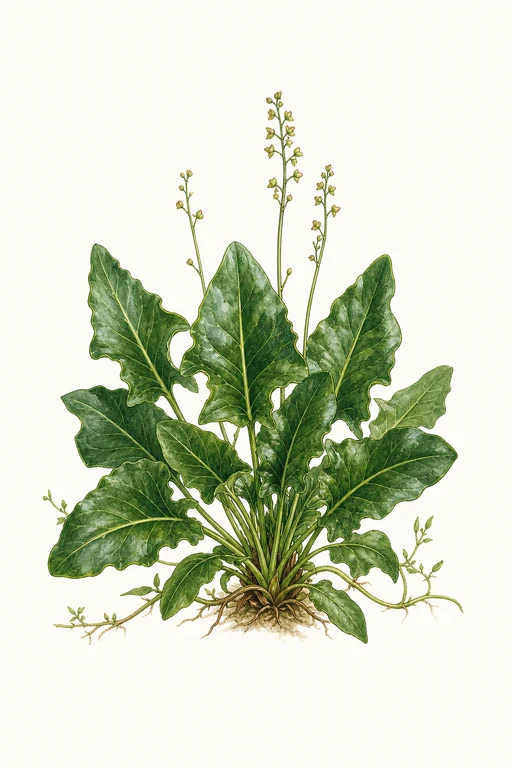
Its arrow-shaped leaves form a graceful rosette of deep green foliage that stays pleasantly crisp at harvest, ideal for fresh salads and quick, vibrant sauces that showcase its signature zing. Grow it for a steady supply of flavorful leaves—an elegant garden green that turns everyday meals into something boldly aromatic.
Light: Full SunMaturity: 40 DaysHabit: Rosette
Planting schedules and alerts are optimized for Columbus (Zone 6b).
Crop Dates
| Milestone | Date |
|---|---|
| Start Indoors | Mar 21st |
| Last Frost | Apr 25th |
| Transplant / Sow Outdoors | Apr 18th |
| Harvest Begins | May 28th |
| Harvest Ends | Oct 16th |
Crop Details
| Trait | Value |
|---|---|
| Days to Maturity | 40 |
| Sun Requirements | Full Sun |
| Growth Habit | Rosette |
| Support Needed | None |
| Planting Depth | Normal |
| Germination Temp (°F) | 60 |
| Min Soil Temp (°F) | 40 |
| Min Night Temp (°F) | 35 |
| Harden Off (days) | 7 |
Culinary Notes

Chef's Note
Common sorrel is built for speed: its sharp, citrusy bite stays readable when you add it at the end—otherwise it dulls. Fold it into warm butter or dairy to round the acidity without killing the bright, succulent snap.

Best Uses
- thin-sliced raw in salads where it can stay crisp and zingy
- blitzed into a quick sorrel pan sauce with butter to coat hot proteins
- folded at the last moment into egg dishes for tangy lift
- folded into soups or stews near the end to keep its edge without turning flat

Flavor Profile

Kitchen Pairings
Frequently Asked Questions
What pest or disease most often affects Rumex acetosa (common sorrel), and how do I treat it?
How often should I water common sorrel during the main growing phase?
How can I tell when Rumex acetosa is ready to harvest?
Sowing Tips

Transplant Conditions
Wait until soil reaches 40°F and nights stay above 35°F before moving outdoors. Harden off for 7 days first.
Expert Note

Keep sorrel lightly moist and thin seedlings early—crowding reduces leaf size and tartness.