
Connecticut Field
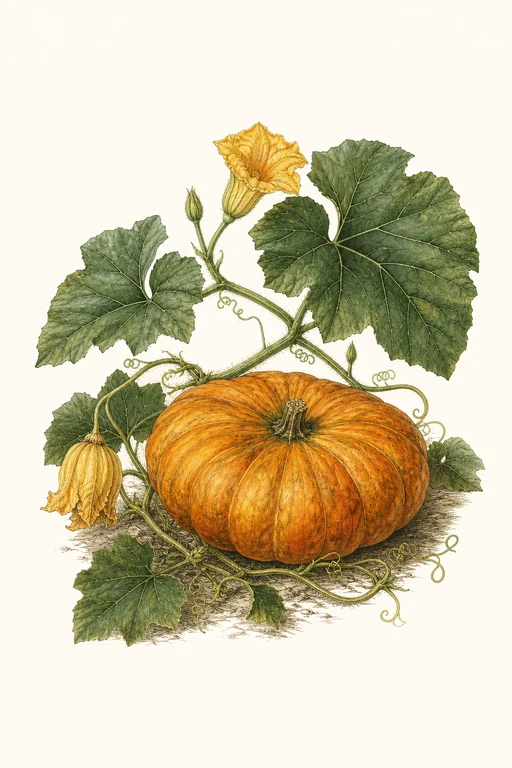
Sink your senses into the rich, sun-warmed aroma and dense, sweet flesh of Connecticut Field pumpkin—an heirloom-style favorite prized for its deep, old-fashioned flavor.
At maturity, the fruit develops a sturdy, thick-walled shell with a handsome, flattened silhouette and a warm, orange-gold interior that turns velvety when roasted. Grow it for hearty fall displays and reliable harvests that shine in classic pumpkin purées, pies, and robust sauces.
Light: Full SunMaturity: 110 DaysHabit: Vine
Crop Dates : 8a
| Milestone | Date |
|---|---|
| Start Indoors | Direct Sow |
| Last Frost | Apr 1st |
| Transplant / Sow Outdoors | Apr 15th |
| Harvest Begins | Aug 3rd |
| Harvest Ends | Nov 5th |
Crop Details
| Trait | Value |
|---|---|
| Days to Maturity | 110 |
| Sun Requirements | Full Sun |
| Growth Habit | Vine |
| Support Needed | Trellis |
| Planting Depth | Normal |
| Germination Temp (°F) | 85 |
| Min Soil Temp (°F) | 65 |
| Min Night Temp (°F) | 55 |
| Harden Off (days) | 10 |
Culinary Notes

Chef's Note
Connecticut Field hits the sweet spot between candy-like and savory, with dense flesh that turns velvety instead of stringy—built for purée that holds its shape in pies and thick soups. Roast it hard and low for that sun-warmed, nutty aroma, then let it carry spice and butter without getting watery.

Best Uses
- slow-roasted wedges for spoonable, caramel-lean sweetness
- thick pumpkin purée for pies that set clean without thinning
- robust purée-based soup with a velvety body
- sturdy roasted cubes for roasting trays and gratin-style bakes

Flavor Profile

Kitchen Pairings
Frequently Asked Questions
What are common pests or diseases for Cucurbita pepo (Connecticut Field squash), and how do I control them?
How often should I water Cucurbita pepo during the main growing phase (flowering through fruit set)?
How can I tell when Connecticut Field squash (Cucurbita pepo) is ready to harvest?
Sowing Tips

Transplant Conditions
Wait until soil reaches 65°F and nights stay above 55°F before moving outdoors. Harden off for 10 days first.

Direct Sow Preferred
Sensitive roots — does not transplant well. If starting indoors, use biodegradable pots and disturb roots as little as possible when moving outdoors.
Expert Note

For best success, direct-sow when nights are reliably warm and the soil is fully warmed; if starting indoors for an earlier start, disturb roots as little as possible at transplant.