
Covington
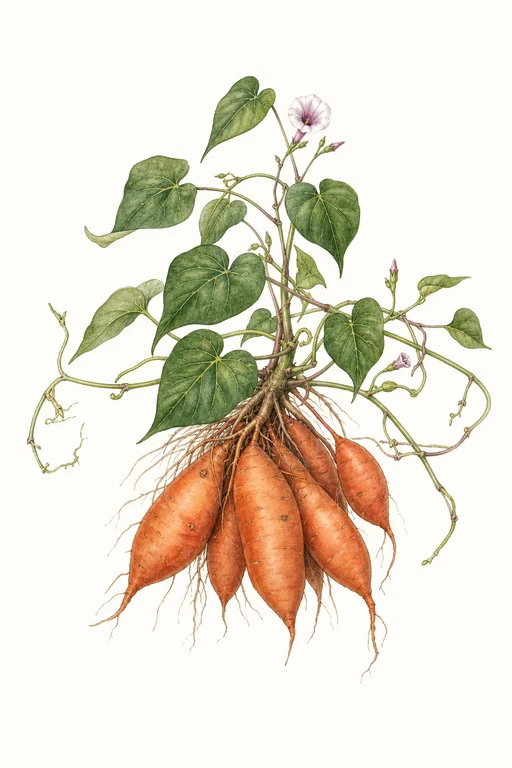
Velvety, honeyed orange flesh—deeply saturated and beautifully smooth—defines Covington Sweet Potato at maturity.
Its tender, creamy texture shines whether you’re savoring it straight from the garden or transforming it into rich, comforting dishes; the flavor balances gentle sweetness with a subtle, earthy warmth. Grow Covington for dependable performance and a harvest that feels as luxurious as its color.
Light: Full SunMaturity: 120 DaysHabit: Vine
Location not set yet
Location not set yet
Enter your ZIP for local crop dates
Covington Planting Dates by USDA Zone
Estimated US hardiness-zone windows for sow, transplant, and harvest. Enter a US ZIP above for exact local dates, or open a zone below.
| Zone | Start Indoors | Sow / Transplant | Harvest |
|---|---|---|---|
| Zone 1a | Protected Environment Only | ||
| Zone 1b | Protected Environment Only | ||
| Zone 2a | Protected Environment Only | ||
| Zone 2b | Protected Environment Only | ||
| Zone 3a | Protected Environment Only | ||
| Zone 3b | Direct Sow | Jul 14th | Nov 11th – Sep 21st |
| Zone 4a | Direct Sow | Jul 10th | Nov 7th – Sep 24th |
| Zone 4b | Direct Sow | Jul 8th | Nov 5th – Sep 27th |
| Zone 5a | Direct Sow | Jul 3rd | Oct 31st – Sep 30th |
| Zone 5b | Direct Sow | Jun 29th | Oct 27th – Oct 5th |
| Zone 6a | Direct Sow | Jun 26th | Oct 24th – Oct 10th |
| Zone 6b | Direct Sow | Jun 20th | Oct 18th – Oct 16th |
| Zone 7a | Direct Sow | Jun 15th | Oct 13th – Oct 20th |
| Zone 7b | Direct Sow | Jun 5th | Oct 3rd – Oct 28th |
| Zone 8a | Direct Sow | May 27th | Sep 24th – Nov 5th |
| Zone 8b | Direct Sow | May 18th | Sep 15th – Nov 12th |
| Zone 9a | Direct Sow | May 1st | Aug 29th – Nov 26th |
| Zone 9b | Direct Sow | Apr 6th | Aug 4th – Dec 9th |
| Zone 10a | Continuous Production | ||
| Zone 10b | Continuous Production | ||
| Zone 11a | Continuous Production | ||
| Zone 11b | Continuous Production | ||
| Zone 12a | Continuous Production | ||
| Zone 12b | Continuous Production | ||
| Zone 13a | Continuous Production | ||
| Zone 13b | Continuous Production | ||
Crop Details
| Trait | Value |
|---|---|
| Days to Maturity | 120 |
| Sun Requirements | Full Sun |
| Growth Habit | Vine |
| Support Needed | None |
| Planting Depth | Normal |
| Germination Temp (°F) | 80 |
| Min Soil Temp (°F) | 60 |
| Min Night Temp (°F) | 55 |
| Harden Off (days) | Not Required |
Culinary Notes

Chef's Note
Covington’s deeply saturated, smooth-textured flesh roasts into bronzed, sweet edges while staying creamy in the center—no stringy disappointment. It’s the kind of sweet potato that takes well to browning and spice, then settles into a velvety purée that holds body in soups and pies.

Best Uses
- roasted wedges that caramelize at the edges
- silky mash or purée that stays smooth without turning gluey
- custardy pies/hand pies where the sweetness reads as baked-depth
- thick soups and bisques that cling to a spoon

Flavor Profile

Frequently Asked Questions
What pest or disease commonly affects Ipomoea batatas (sweet potato) in home gardens, and how can I control it?
How often should I water Ipomoea batatas during the main growing phase to form good storage roots?
How can I tell when Ipomoea batatas is ready to harvest?
Sowing Tips

Transplant Conditions
Wait until soil reaches 60°F and nights stay above 55°F before moving outdoors.
Expert Note

For best uniformity and reduced soil-rot issues, transplant into well-drained soil and avoid planting into persistently cold, wet ground.