
Crimson Gala
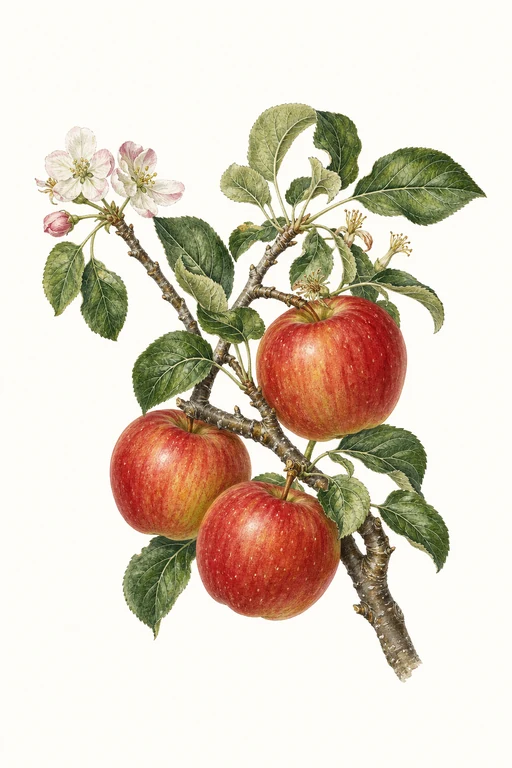
Aromatically crisp and richly aromatic, Crimson Gala apples bring a bright, rosy blush over a golden base—sweet-tart from first bite to the last.
The flesh stays fine-grained and juicy, with a satisfying snap that makes it feel freshly picked even when stored. Grow Crimson Gala for a standout table apple that shines in fresh eating and turns beautifully into fragrant sauces and preserves.
Light: Full SunMaturity: 180 DaysHabit: Shrub
Planting schedules and alerts are optimized for Columbus (Zone 6b).
Crop Dates
| Milestone | Date |
|---|---|
| Last Frost | Apr 25th |
| Growing Approach | Protected Environment Only |
Crop Details
| Trait | Value |
|---|---|
| Days to Maturity | 180 |
| Sun Requirements | Full Sun |
| Growth Habit | Shrub |
| Support Needed | None |
| Planting Depth | Normal |
| Germination Temp (°F) | 70 |
| Min Soil Temp (°F) | 50 |
| Min Night Temp (°F) | 35 |
| Harden Off (days) | Not Required |
Culinary Notes

Chef's Note
Crimson Gala is a fine-grained table apple with real snap—its sweet-tart balance tastes alive even after a short heat pass. Slice it thin for maximum crunch, or macerate and reduce gently so the fruit stays springy instead of collapsing into mush.

Best Uses
- thin slices for a crisp, no-weep salad with tart dressing
- macerated for a stovetop skillet glaze (keeps pieces springy)
- fragrant preserves with visible fruit structure
- warm apple compote for yogurt or oatmeal that stays chunky

Flavor Profile

Kitchen Pairings
Frequently Asked Questions
What pest or disease commonly affects Malus domestica (apple 'Crimson Gala'), and how can I manage it at home?
How often should I water Malus domestica during the main growing season to keep fruit and growth on track?
How do I tell when 'Crimson Gala' apples (Malus domestica) are ready to harvest?
Sowing Tips

Transplant Conditions
Wait until soil reaches 50°F and nights stay above 35°F before moving outdoors.
Expert Note

Plant apple trees in full sun with well-drained soil and plan on adding/using compatible pollinizers because most apples require cross-pollination.