
Crimson Red
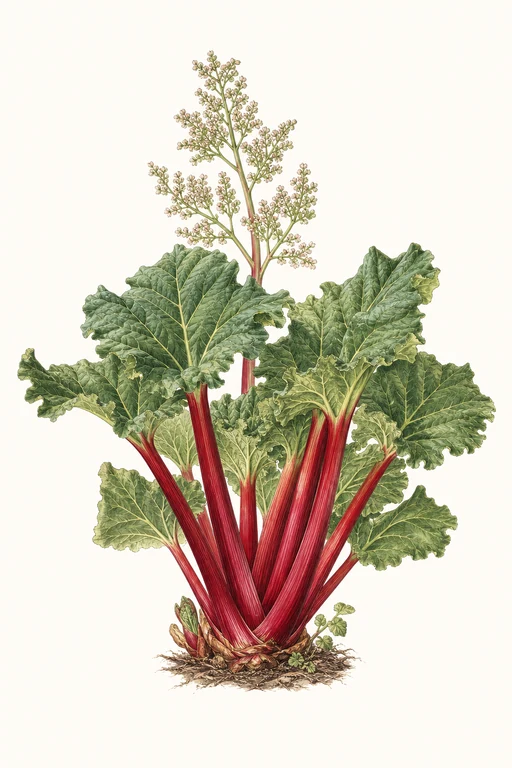
Crimson Red rhubarb unfurls with striking, jewel-toned stalks—deep crimson to wine-red—so lush they look lacquered in the garden light.
Tender yet pleasantly crisp, the stalks offer a bright, tangy bite that shines in classic springtime preparations, from ruby sauces to baked desserts and preserves. Grow it for a bold color show and a reliable harvest rhythm that turns everyday meals into seasonal celebrations.
Light: Full SunMaturity: 60 DaysHabit: Perennial_Crown
Planting schedules and alerts are optimized for Columbus (Zone 6b).
Crop Dates
| Milestone | Date |
|---|---|
| Start Indoors | Direct Sow |
| Last Frost | Apr 25th |
| Transplant / Sow Outdoors | Apr 25th |
| Harvest Begins | Jun 24th |
| Harvest Ends | Oct 16th |
Crop Details
| Trait | Value |
|---|---|
| Days to Maturity | 60 |
| Sun Requirements | Full Sun |
| Growth Habit | Perennial_Crown |
| Support Needed | None |
| Planting Depth | Normal |
| Germination Temp (°F) | 60 |
| Min Soil Temp (°F) | 40 |
| Min Night Temp (°F) | 28 |
| Harden Off (days) | Not Required |
Culinary Notes

Chef's Note
This is the kind of rhubarb that brings a clean, aggressive tart snap—so it performs best when you harness it with sugar and fat to round the edges and let the color turn syrupy. Cook it down just enough to get that lacquered, spoon-coating texture without collapsing the stalk bite.

Best Uses
- ruby compote for toast or yogurt
- high-gloss sauce for vanilla ice cream or cheesecake
- baked crisp with sugar to balance the snap
- jam/preserve where it sets cleanly for spoonable fills

Flavor Profile

Kitchen Pairings
Frequently Asked Questions
What pest or disease commonly affects Rheum rhabarbarum (garden rhubarb), and what should I do if I see it?
How often should I water Rheum rhabarbarum during its main growing phase?
How do I know when Rheum rhabarbarum petioles are ready to harvest?
Sowing Tips

Transplant Conditions
Wait until soil reaches 40°F and nights stay above 28°F before moving outdoors.
Expert Note

Plant crowns in early spring or fall in deep, well-drained soil and harvest lightly the first year so the plant builds strong reserves.