
Cripps Pink
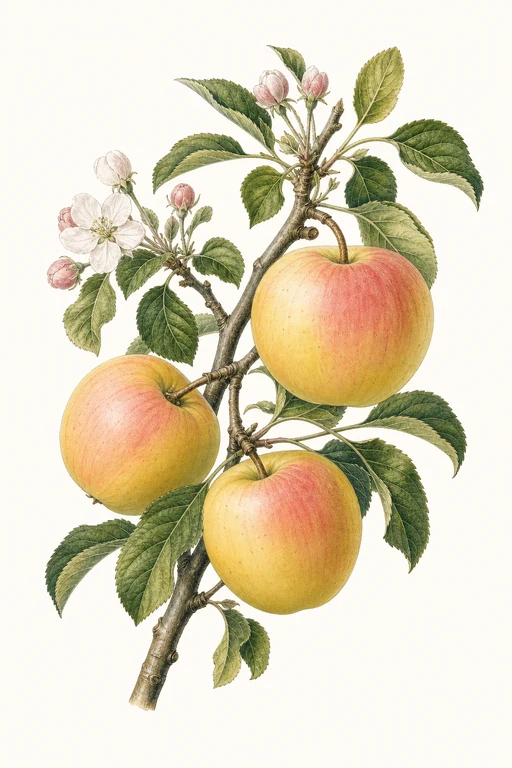
Crisp, honeyed sweetness meets a bright, tangy snap in Cripps Pink apples—fragrant fruit with a luminous blush over a pale golden ground.
The flesh is fine-grained and wonderfully firm, holding its character beautifully from first bite to the last spoonful of autumn flavor. Grow Cripps Pink for standout fresh-eating appeal and for richly flavored sauces and preserves that capture its classic balance.
Light: Full SunMaturity: 365 DaysHabit: Shrub
Planting schedules and alerts are optimized for Columbus (Zone 6b).
Crop Dates
| Milestone | Date |
|---|---|
| Last Frost | Apr 25th |
| Growing Approach | Protected Environment Only |
Crop Details
| Trait | Value |
|---|---|
| Days to Maturity | 365 |
| Sun Requirements | Full Sun |
| Growth Habit | Shrub |
| Support Needed | None |
| Planting Depth | Normal |
| Germination Temp (°F) | 65 |
| Min Soil Temp (°F) | 45 |
| Min Night Temp (°F) | 35 |
| Harden Off (days) | Not Required |
Culinary Notes

Chef's Note
Cripps Pink’s fine-grained, firm flesh keeps a crisp bite even as it warms, so it’s a standout for fresh eating and for saucing that needs body without going watery. That bright tang is the engine—pair it with fatty, salty or warm-spiced ingredients and it won’t lose its personality.

Best Uses
- raw slicing for snack boards—stays crisp and doesn’t turn mealy
- shallow sauté or quick roast to soften edges while keeping the center snappy
- thick, spoon-coating applesauce or compote where the tang stands up
- fruit preserves and curds that need a clean balance of sugar and acidity

Flavor Profile

Kitchen Pairings
Frequently Asked Questions
What’s a common disease problem for Malus domestica (Cripps Pink), and how do I manage it?
How often should I water Cripps Pink apples during the main growing season?
How can I tell when Cripps Pink (Malus domestica) apples are ready to harvest?
Sowing Tips

Transplant Conditions
Wait until soil reaches 45°F and nights stay above 35°F before moving outdoors.
Expert Note

For best flavor and consistent yields, plant in full sun and ensure cross-pollination with a compatible apple variety within range of pollinators.