
D'Angers
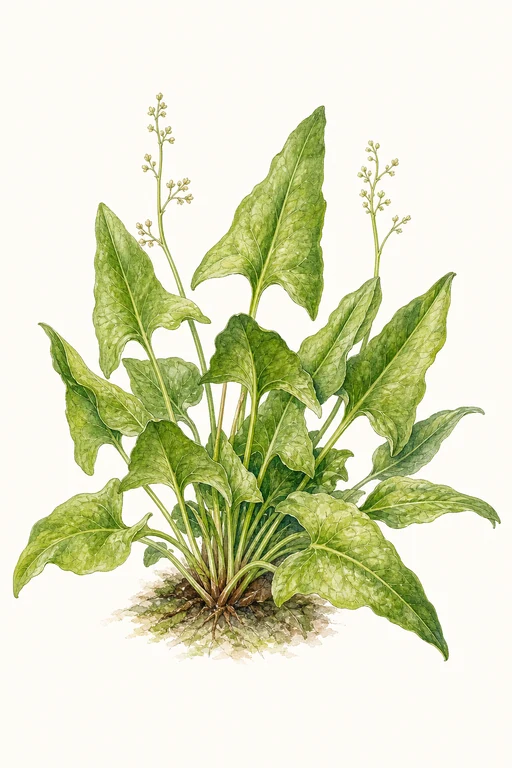
Tangy, lemon-bright sorrel flavor leaps from tender leaves of D’Angers—an invigorating bite with a clean, refreshing finish.
At about 40 days, plants form a lush rosette of delicate, arrow-shaped foliage with a crisp, succulent texture that stays pleasantly tender for early harvests. Ideal for stirring into springtime sauces and soups, brightening savory blends, or using fresh in salads for a vivid, herbaceous lift.
Light: Part SunMaturity: 40 DaysHabit: Rosette
Planting schedules and alerts are optimized for Columbus (Zone 6b).
Crop Dates
| Milestone | Date |
|---|---|
| Start Indoors | Direct Sow |
| Last Frost | Apr 25th |
| Transplant / Sow Outdoors | Apr 25th |
| Harvest Begins | Jun 4th |
| Harvest Ends | Oct 16th |
Crop Details
| Trait | Value |
|---|---|
| Days to Maturity | 40 |
| Sun Requirements | Part Sun |
| Growth Habit | Rosette |
| Support Needed | None |
| Planting Depth | Normal |
| Germination Temp (°F) | 65 |
| Min Soil Temp (°F) | 40 |
| Min Night Temp (°F) | 28 |
| Harden Off (days) | Not Required |
Culinary Notes

Chef's Note
D’Angers sorrel hits with focused, lemony acidity and a crisp, juicy texture—tender enough to eat straight, but it also behaves beautifully when warmed briefly. Use it late (or off-heat) so the flavor stays bright and the leaves don’t collapse into something flat.

Best Uses
- stir into spring soups and purées off-heat so it stays vivid, not dull
- whisk into a quick pan sauce with butter/olive oil for a tangy gloss
- fold into soft scrambled eggs or omelets for fast flavor lift
- toss into salads with heavier dressings (yogurt, crème fraîche) to balance the snap

Flavor Profile

Kitchen Pairings
Frequently Asked Questions
What pest or disease commonly affects Rumex acetosa (large French sorrel), and how can I control it?
How often should I water Rumex acetosa during its main growing phase (around the first 4–6 weeks)?
How do I tell when Rumex acetosa is ready to harvest?
Sowing Tips

Transplant Conditions
Wait until soil reaches 40°F and nights stay above 28°F before moving outdoors.
Expert Note

For tender leaves and a milder bite, keep sorrel evenly moist and harvest young—flavor turns sharper as plants mature.