
De Milpa Purple
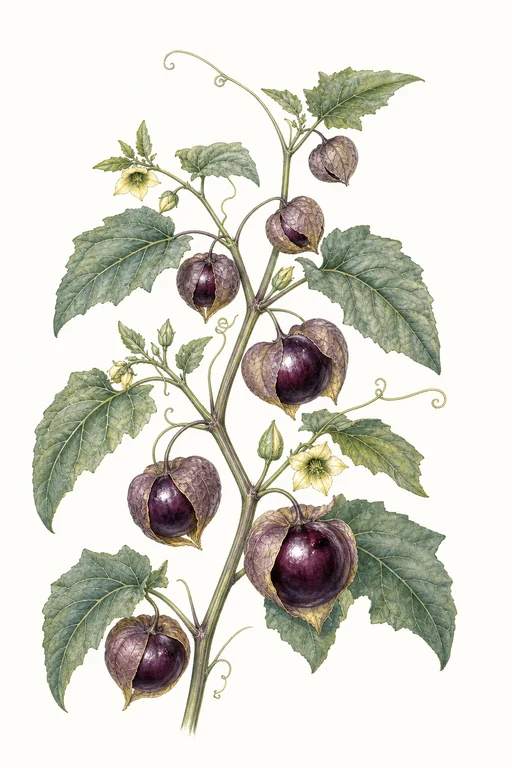
Aromatic and richly colored, De Milpa Purple tomatillos ripen into jewel-toned fruits cradled in papery husks—deep purple skins that gleam with a velvety, slightly sticky sheen.
The flesh is bright and tangy with a crisp, juicy bite, balancing fruitiness and lively acidity for bold, vibrant results. Grow De Milpa Purple for striking harvests and for sauces, salsas, and quick pickling where its purple character brings instant visual flair.
Light: Full SunMaturity: 70 DaysHabit: Upright
Planting schedules and alerts are optimized for Columbus (Zone 6b).
Crop Dates
| Milestone | Date |
|---|---|
| Start Indoors | Mar 7th |
| Last Frost | Apr 25th |
| Transplant / Sow Outdoors | Jun 20th |
| Harvest Begins | Aug 29th |
| Harvest Ends | Oct 16th |
Crop Details
| Trait | Value |
|---|---|
| Days to Maturity | 70 |
| Sun Requirements | Full Sun |
| Growth Habit | Upright |
| Support Needed | Stake |
| Planting Depth | Normal |
| Germination Temp (°F) | 75 |
| Min Soil Temp (°F) | 60 |
| Min Night Temp (°F) | 50 |
| Harden Off (days) | 7 |
Culinary Notes

Chef's Note
De Milpa Purple brings a crisp, juicy tartness that pops even after cooking—use it for salsas that need body without turning mushy. The slight sticky sheen helps it cling to chips and meats, making it a standout for char-and-reduce sauces.

Best Uses
- charred tomatillo salsa for tacos—deep purple skins stay toothsome
- quick pickling where the papery husk tang reads like a tart snap
- purple-tinged cooked salsa verde—reduce until glossy and clinging
- cooked into smoky braises or roasted sheet-pan relishes for sharp, juicy contrast

Flavor Profile

Frequently Asked Questions
What pest or disease most commonly affects Physalis philadelphica (de milpa purple), and how can I control it?
How often should I water de milpa purple during its main growing phase?
How do I tell when Physalis philadelphica is ready to harvest?
Sowing Tips

Transplant Conditions
Wait until soil reaches 60°F and nights stay above 50°F before moving outdoors. Harden off for 7 days first.
Expert Note

Start tomatillo indoors early and transplant only once soil is consistently warm (60°F+) to avoid slow growth and uneven establishment.