
Delice De La Table
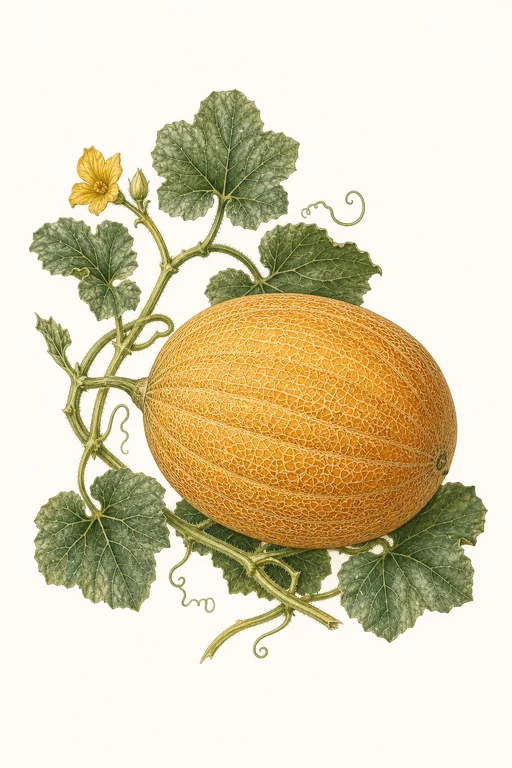
Fragrant, honeyed flesh blooms with a soft, yielding tenderness—Delice De La Table cantaloupe is prized for its deeply aromatic sweetness and a velvety bite that feels almost custard-like.
The rind frames a warm salmon-amber interior, offering a satisfying balance of juicy richness and gentle floral notes. Grow it for fresh enjoyment and for show-stopping fruit-forward preparations where its perfume and lush texture shine.
Light: Full SunMaturity: 85 DaysHabit: Vine
Planting schedules and alerts are optimized for Columbus (Zone 6b).
Crop Dates
| Milestone | Date |
|---|---|
| Start Indoors | Apr 11th |
| Last Frost | Apr 25th |
| Transplant / Sow Outdoors | Apr 25th |
| Harvest Begins | Jul 19th |
| Harvest Ends | Oct 16th |
Crop Details
| Trait | Value |
|---|---|
| Days to Maturity | 85 |
| Sun Requirements | Full Sun |
| Growth Habit | Vine |
| Support Needed | Trellis |
| Planting Depth | Normal |
| Germination Temp (°F) | 75 |
| Min Soil Temp (°F) | 65 |
| Min Night Temp (°F) | 55 |
| Harden Off (days) | 12 |
Culinary Notes

Chef's Note
Built for eating cold and unmasked: its honeyed perfume and custard-soft bite turn a simple wedge into a spoonable dessert. Handle gently—too much heat or aggressive seasoning mutes the floral aroma that makes Delice De La Table worth the knife.

Best Uses
- cold fruit cups with a spoon (no heavy mixing—let the perfume lead)
- thin wedges with flaky salt and lime zest to sharpen the finish
- blend into a silky chilled sorbet or granita where its aroma stays intact
- fold into prosciutto or cured-fish plates for a juicy, floral counterpoint

Flavor Profile

Kitchen Pairings
Frequently Asked Questions
What pest or disease problem is most common on Cucumis melo (cantaloupe/muskmelon), and what should I do first?
How often should I water Cucumis melo during its main growing phase, and what soil moisture level should I aim for?
How can I tell when Cucumis melo is ready to harvest at ~85 days?
Sowing Tips

Transplant Conditions
Wait until soil reaches 65°F and nights stay above 55°F before moving outdoors. Harden off for 12 days first.

Direct Sow Preferred
Sensitive roots — does not transplant well. If starting indoors, use biodegradable pots and disturb roots as little as possible when moving outdoors.
Expert Note

Warm soil and daytime heat are key—start indoors only if you can keep plants from root-binding, and transplant after soil reliably warms for vigorous vine growth.