
Double Gold
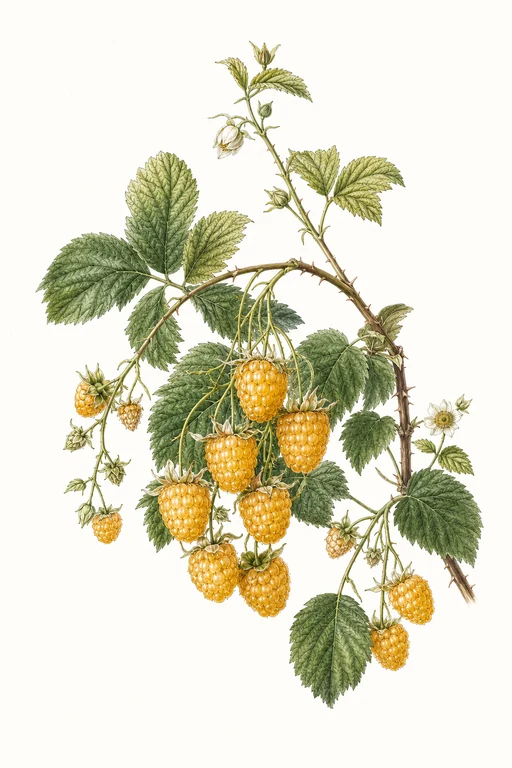
Sunlit, honey-amber berries of Double Gold ripen with a luminous, delicate sweetness and a tender, juicy snap.
The fruit is medium-large with a softly conical shape and a fragrant, floral perfume that makes each harvest feel like a small celebration. Grow Double Gold for fresh enjoyment and for bright, golden preserves and sauces that showcase its mellow, sunshine-forward flavor.
Light: Full SunMaturity: 75 DaysHabit: Upright
Planting schedules and alerts are optimized for Columbus (Zone 6b).
Crop Dates
| Milestone | Date |
|---|---|
| Start Indoors | Direct Sow |
| Last Frost | Apr 25th |
| Transplant / Sow Outdoors | Apr 25th |
| Harvest Begins | Jul 9th |
| Harvest Ends | Oct 16th |
Crop Details
| Trait | Value |
|---|---|
| Days to Maturity | 75 |
| Sun Requirements | Full Sun |
| Growth Habit | Upright |
| Support Needed | Cage |
| Planting Depth | Normal |
| Germination Temp (°F) | 70 |
| Min Soil Temp (°F) | 45 |
| Min Night Temp (°F) | 35 |
| Harden Off (days) | 7 |
Culinary Notes

Chef's Note
Double Gold’s honey-amber sweetness and floral lift make it a berry that tastes best when you don’t bully it—light heating for a quick lacquer, or eaten cold with dairy. Its tender, juicy snap holds up in a spoonable sauce without turning to jammy mush too fast.

Best Uses
- fresh spooning straight from the bowl (cold, no fuss)
- golden preserves and jam where you want the flavor to taste like sunlight, not pucker
- satin sauces for pancakes, cheesecake, and vanilla ice cream
- folding into quick compote or a warm reduction to lacquer desserts

Flavor Profile

Kitchen Pairings
Frequently Asked Questions
What pest or disease is most likely on Rubus idaeus (raspberry) and what should I do first?
How often should I water during the main growing phase of Rubus idaeus?
How can I tell when Double Gold (Rubus idaeus) is ready to harvest?
Sowing Tips

Transplant Conditions
Wait until soil reaches 45°F and nights stay above 35°F before moving outdoors. Harden off for 7 days first.
Expert Note

Plant canes so they establish before heat stress—keep roots evenly moist the first season and remove weak canes to improve fruiting.