
Dr. Alexander Fleming
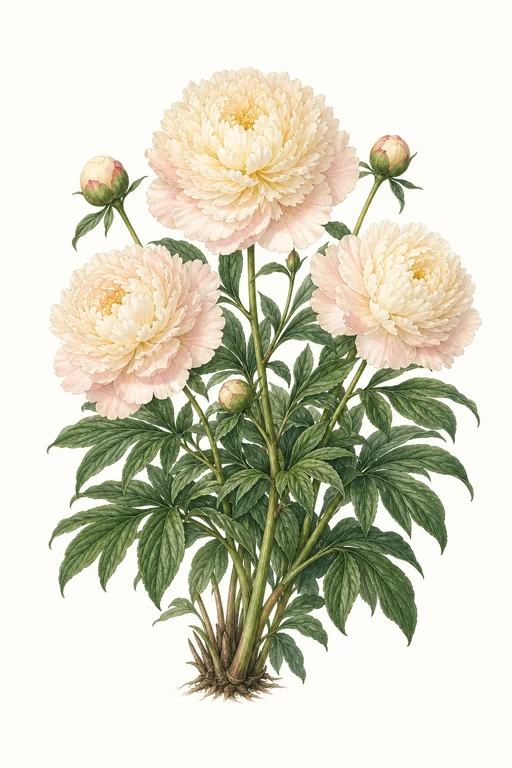
Fragrant, opulent blooms arrive in a grand, layered crescendo—soft petals unfurling to reveal a luminous center that seems to glow in the garden light.
Dr. Alexander Fleming garden peony offers a lush, velvety texture with a poised, heirloom presence, making it a standout for long-season flower beds and cutting gardens alike. Expect a stately perennial performance year after year, with flowers that hold their form beautifully as they mature.
Light: Full SunMaturity: 365 DaysHabit: Perennial_Crown
Planting schedules and alerts are optimized for Columbus (Zone 6b).
Crop Dates
| Milestone | Date |
|---|---|
| Last Frost | Apr 25th |
| Growing Approach | Protected Environment Only |
Crop Details
| Trait | Value |
|---|---|
| Days to Maturity | 365 |
| Sun Requirements | Full Sun |
| Growth Habit | Perennial_Crown |
| Support Needed | None |
| Planting Depth | Normal |
| Germination Temp (°F) | 68 |
| Min Soil Temp (°F) | 50 |
| Min Night Temp (°F) | 35 |
| Harden Off (days) | Not Required |
Frequently Asked Questions
What’s a common disease or pest issue for Paeonia lactiflora (peony), and how do I treat it?
How often should I water Paeonia lactiflora during its main growing season?
How can I tell when Paeonia lactiflora is ready to harvest?
Sowing Tips

Transplant Conditions
Wait until soil reaches 50°F and nights stay above 35°F before moving outdoors.
Expert Note

Plant peonies at the correct crown depth (too deep prevents flowering) and give them stable, undisturbed roots for years of blooms.