
Duchesse De Nemours
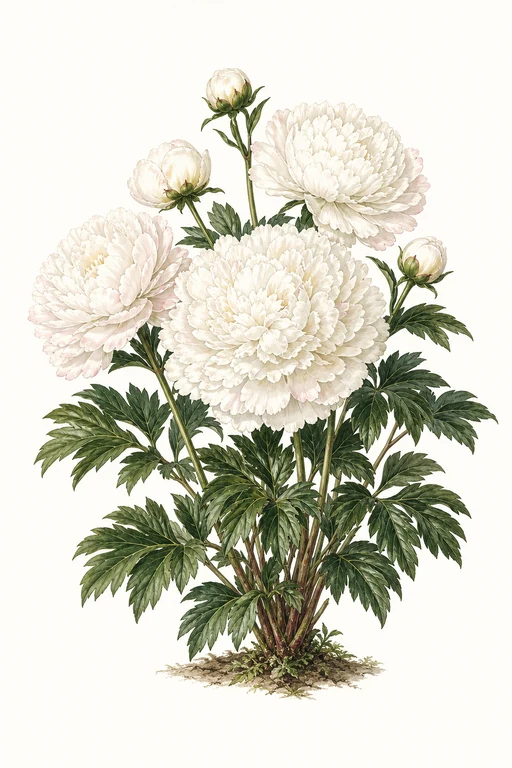
Duchesse De Nemours unfurls with a luminous, creamy-white bloom that seems to glow from within, its petals softly ruffled and delicately layered like fine silk.
Fragrance is the signature—sweet, clean, and gently heady—while the flowers hold their shape with a poised, substantial texture that makes each head a garden centerpiece. Grow this garden peony for long-lasting ornamental splendor and for fragrant cut-flower displays that reward the season’s patience.
Light: Full SunMaturity: 365 DaysHabit: Clumping
Planting schedules and alerts are optimized for Columbus (Zone 6b).
Crop Dates
| Milestone | Date |
|---|---|
| Last Frost | Apr 25th |
| Growing Approach | Protected Environment Only |
Crop Details
| Trait | Value |
|---|---|
| Days to Maturity | 365 |
| Sun Requirements | Full Sun |
| Growth Habit | Clumping |
| Support Needed | Stake |
| Planting Depth | Normal |
| Germination Temp (°F) | 68 |
| Min Soil Temp (°F) | 45 |
| Min Night Temp (°F) | 35 |
| Harden Off (days) | 7 |
Culinary Notes

Chef's Note
Garden peony petals bring a sweet, clean perfume—think elegant aromatics more than juicy fruit. Use the petals sparingly in infusions or as a high-impact garnish so their floral character stays crisp rather than taking over.

Best Uses
- petal “garnish” for plated desserts where the aroma leads
- infused sugar or syrup for a perfume-forward sweetness
- lightly steeped tea where you want aroma without bitterness

Flavor Profile

Kitchen Pairings
Frequently Asked Questions
What are common pests or diseases on Paeonia lactiflora (Duchesse de Nemours), and how do I treat them?
How often should I water Duchesse de Nemours during active growth?
How can I tell when Duchesse de Nemours peony is ready to harvest?
Sowing Tips

Transplant Conditions
Wait until soil reaches 45°F and nights stay above 35°F before moving outdoors. Harden off for 7 days first.
Expert Note

Plant peony roots (or divisions) in fall or very early spring into deep, well-drained soil and avoid disturbing them for years to build strong blooms.