
Earliglow
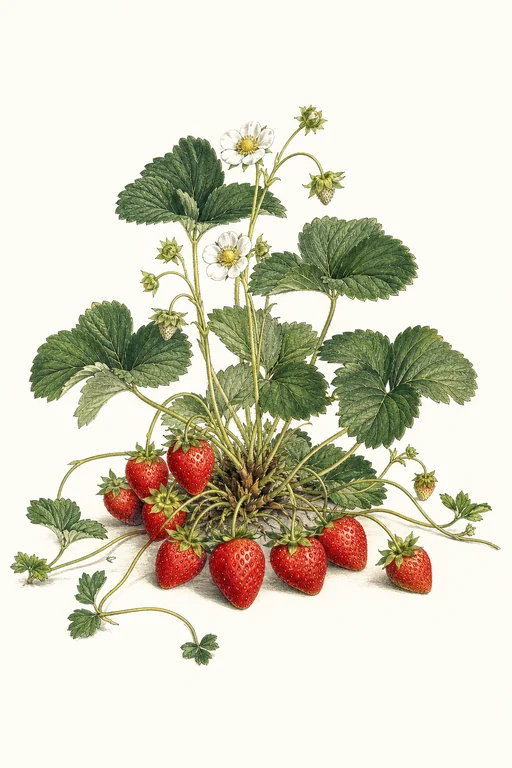
Sun-warmed sweetness bursts from Earliglow’s bright, glossy berries—an early harvest with a vivid, classic strawberry fragrance and a juicy, tender bite.
The fruit forms a neat, conical silhouette with a firm yet succulent texture that holds its appeal from garden beds to market baskets. Ideal for fresh enjoyment and for bright preserves, Earliglow brings dependable early flavor to the home patch with a gardener’s pride in every red blush.
Light: Full SunMaturity: 50 DaysHabit: Spreading
Location not set yet
Location not set yet
Enter your ZIP for local crop dates
Earliglow Planting Dates by USDA Zone
Estimated US hardiness-zone windows for sow, transplant, and harvest. Enter a US ZIP above for exact local dates, or open a zone below.
| Zone | Start Indoors | Sow / Transplant | Harvest |
|---|---|---|---|
| Zone 1a | Direct Sow | Jun 15th | Aug 4th – Jul 15th |
| Zone 1b | Direct Sow | Jun 1st | Jul 21st – Aug 1st |
| Zone 2a | Direct Sow | May 25th | Jul 14th – Aug 29th |
| Zone 2b | Direct Sow | May 15th | Jul 4th – Aug 25th |
| Zone 3a | Direct Sow | May 15th | Jul 4th – Sep 1st |
| Zone 3b | Direct Sow | May 19th | Jul 8th – Sep 21st |
| Zone 4a | Direct Sow | May 15th | Jul 4th – Sep 24th |
| Zone 4b | Direct Sow | May 13th | Jul 2nd – Sep 27th |
| Zone 5a | Direct Sow | May 8th | Jun 27th – Sep 30th |
| Zone 5b | Direct Sow | May 4th | Jun 23rd – Oct 5th |
| Zone 6a | Direct Sow | May 1st | Jun 20th – Oct 10th |
| Zone 6b | Direct Sow | Apr 25th | Jun 14th – Oct 16th |
| Zone 7a | Direct Sow | Apr 20th | Jun 9th – Oct 20th |
| Zone 7b | Direct Sow | Apr 10th | May 30th – Oct 28th |
| Zone 8a | Direct Sow | Apr 1st | May 21st – Nov 5th |
| Zone 8b | Direct Sow | Mar 23rd | May 12th – Nov 12th |
| Zone 9a | Direct Sow | Mar 6th | Apr 25th – Nov 26th |
| Zone 9b | Direct Sow | Feb 9th | Mar 31st – Dec 9th |
| Zone 10a | — | Oct 1st | Nov 20th – Feb 28th |
| Zone 10b | — | Oct 1st | Nov 20th – Feb 28th |
| Zone 11a | — | Oct 1st | Nov 20th – Feb 28th |
| Zone 11b | — | Oct 1st | Nov 20th – Feb 28th |
| Zone 12a | — | Oct 1st | Nov 20th – Feb 28th |
| Zone 12b | — | Oct 1st | Nov 20th – Feb 28th |
| Zone 13a | — | Oct 1st | Nov 20th – Feb 28th |
| Zone 13b | — | Oct 1st | Nov 20th – Feb 28th |
Crop Details
| Trait | Value |
|---|---|
| Days to Maturity | 50 |
| Sun Requirements | Full Sun |
| Growth Habit | Spreading |
| Support Needed | None |
| Planting Depth | Normal |
| Germination Temp (°F) | 70 |
| Min Soil Temp (°F) | 40 |
| Min Night Temp (°F) | 28 |
| Harden Off (days) | 7 |
Culinary Notes

Chef's Note
Earliglow’s early berries land with a glossy perfume and juicy, tender texture—great when you want strawberries to taste like strawberries, not like sugar-cooked fruit. Use it for fast maceration or quick-set preserves where the aroma stays forward and the berries don’t turn to mush.

Best Uses
- fresh slicing over buttered biscuits with a squeeze of lemon
- quick maceration for a spoonable strawberry syrup (short reduction, not jam-thick)
- jam with a restrained sugar load so the early berry fragrance stays bright
- folding into whipped cream or yogurt for a tangy, spoonable dessert

Flavor Profile

Kitchen Pairings
Frequently Asked Questions
What pest or disease most often affects Fragaria × ananassa (Earliglow strawberries), and how do I manage it?
How often should I water Earliglow strawberries during peak growth, and what soil moisture level should I aim for?
How can I tell when Earliglow strawberries are ready to harvest?
Sowing Tips

Transplant Conditions
Wait until soil reaches 40°F and nights stay above 28°F before moving outdoors. Harden off for 7 days first.
Expert Note

For the earliest fruit, plant crowns in cool weather, keep the heart (center) above soil level, and use straw mulch once growth starts to stabilize moisture and protect berries.