
Eastwood
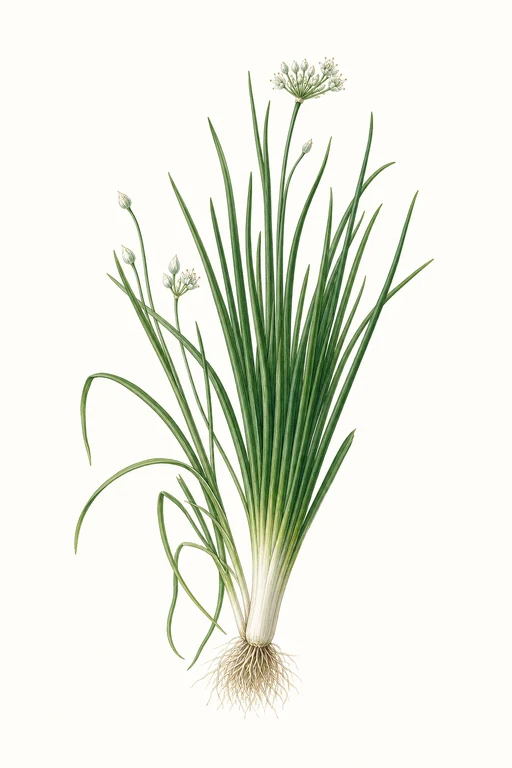
A tender, sweet-snap scallion with a clean, bright bite—Eastwood forms crisp, hollow greens that stay pleasantly mild while the white base remains juicy and firm.
Expect a smooth, satiny texture and a vivid green plume that’s especially eye-catching in the garden and on the plate. Grow Eastwood for fresh bunches and quick flavor boosts in salads, salsas, and garnishes, or for roasting to bring out its gentle sweetness.
Light: Full SunMaturity: 60 DaysHabit: Bulbing
Planting schedules and alerts are optimized for Columbus (Zone 6b).
Crop Dates
| Milestone | Date |
|---|---|
| Start Indoors | Direct Sow |
| Last Frost | Apr 25th |
| Transplant / Sow Outdoors | Apr 25th |
| Harvest Begins | Jun 24th |
| Harvest Ends | Oct 16th |
Crop Details
| Trait | Value |
|---|---|
| Days to Maturity | 60 |
| Sun Requirements | Full Sun |
| Growth Habit | Bulbing |
| Support Needed | None |
| Planting Depth | Normal |
| Germination Temp (°F) | 70 |
| Min Soil Temp (°F) | 50 |
| Min Night Temp (°F) | 35 |
| Harden Off (days) | Not Required |
Culinary Notes

Chef's Note
Eastwood’s hollow greens are crisp and mild enough to eat in quantity, while the juicy white base keeps its firmness—so it never turns limp or overly pungent. It’s the kind of scallion that upgrades a bowl with fresh snap, and also sweetens nicely when you give it heat.

Best Uses
- pile into raw salads where they add crunch without getting sharp
- chop for fresh salsa and spoon over grilled fish or chicken
- use as a high-impact garnish that perfumes rice, noodles, and soups
- quick-sear or roast to coax out gentle sweetness while keeping the whites juicy

Flavor Profile

Kitchen Pairings
Frequently Asked Questions
What pests or diseases commonly affect Allium fistulosum (Eastwood spring onion), and how do I manage them?
How often should I water Allium fistulosum during its main growth (around weeks 3–8)?
How can I tell when Eastwood (Allium fistulosum) is ready to harvest at about 60 days?
Sowing Tips

Transplant Conditions
Wait until soil reaches 50°F and nights stay above 35°F before moving outdoors.
Expert Note

For the longest harvest window, sow in small batches every 2–3 weeks and keep soil consistently moist until plants are established.