
Elizabeth
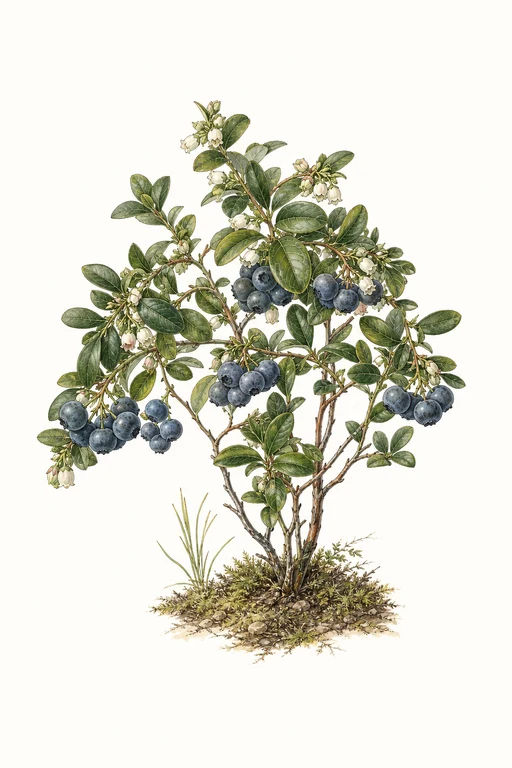
Bursting with a velvety, true-blue bloom, Elizabeth blueberry delivers a sweet-tart perfume and a juicy, pop-in-the-mouth texture that feels almost jewel-bright.
The berries ripen in an elegant wave over the season, offering a firm yet tender bite that shines for fresh handfuls, vibrant sauces, and preserves—plus a standout presence when roasted for deep, caramel-kissed flavor. Plant Elizabeth for a garden that rewards patience: 180 days to maturity, then seasons of color and flavor you’ll look forward to year after year.
Light: Full SunMaturity: 180 DaysHabit: Shrub
Planting schedules and alerts are optimized for Columbus (Zone 6b).
Crop Dates
| Milestone | Date |
|---|---|
| Last Frost | Apr 25th |
| Growing Approach | Protected Environment Only |
Crop Details
| Trait | Value |
|---|---|
| Days to Maturity | 180 |
| Sun Requirements | Full Sun |
| Growth Habit | Shrub |
| Support Needed | None |
| Planting Depth | Normal |
| Germination Temp (°F) | 70 |
| Min Soil Temp (°F) | 45 |
| Min Night Temp (°F) | 28 |
| Harden Off (days) | Not Required |
Culinary Notes

Chef's Note
Elizabeth’s sweet-tart perfume and juicy, jewel-bright bite make it a slam-dunk for eating straight and for sauce work where you want berries to stay recognizable while turning glossy. Roast it and it shifts from fresh pop to caramel-kissed jammy intensity, the kind of transformation that makes yogurt and dark chocolate taste freshly improvised.

Best Uses
- fresh eating that keeps its snap under a light chill
- quick sauce for pancakes/cheesecake—reduce until glossy and spoon-thick
- high-sugar preserves or jam that suspends whole berries
- roasting to drive caramel notes for oatmeal or yogurt

Flavor Profile

Kitchen Pairings
Frequently Asked Questions
What pest or disease commonly affects Vaccinium corymbosum (highbush blueberry) and how can I treat it?
How often should I water highbush blueberry (Vaccinium corymbosum) during its main growing phase?
How do I know when Vaccinium corymbosum berries are ready to harvest?
Sowing Tips

Transplant Conditions
Wait until soil reaches 45°F and nights stay above 28°F before moving outdoors.
Expert Note

Plant blueberries in acidic soil (pH 4.5–5.5), keep moisture consistent, and mulch heavily to protect shallow roots.