
Elliott
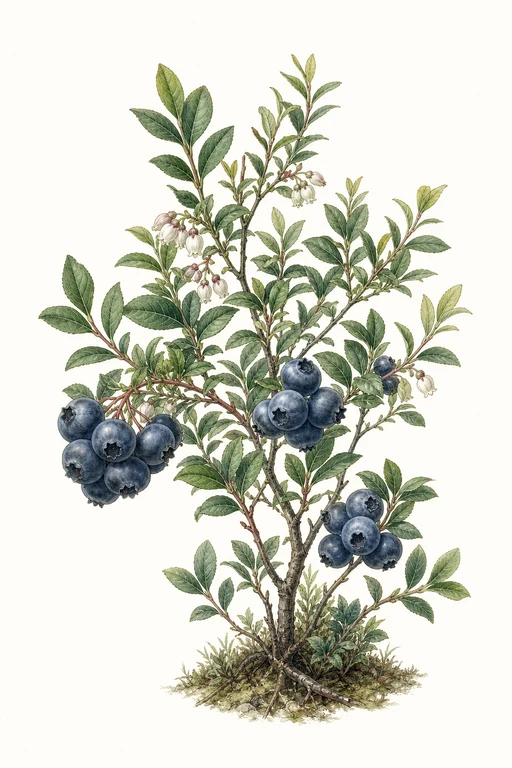
Bursting with a cool, blueberry-sweet perfume, Elliott ripens to a rich, true-blue sheen over a compact, garden-ready shrub.
The berries are medium-sized with a firm, juicy bite and a balanced flavor that shines in fresh bowls and becomes especially vivid in preserves and pies. Plant Elliott for a dependable, early-to-mid season harvest that feels as lush as it tastes—an orchard-worthy treat right at home.
Light: Full SunMaturity: 60 DaysHabit: Shrub
Planting schedules and alerts are optimized for Columbus (Zone 6b).
Crop Dates
| Milestone | Date |
|---|---|
| Start Indoors | Direct Sow |
| Last Frost | Apr 25th |
| Transplant / Sow Outdoors | Apr 25th |
| Harvest Begins | Jun 24th |
| Harvest Ends | Oct 16th |
Crop Details
| Trait | Value |
|---|---|
| Days to Maturity | 60 |
| Sun Requirements | Full Sun |
| Growth Habit | Shrub |
| Support Needed | None |
| Planting Depth | Normal |
| Germination Temp (°F) | 70 |
| Min Soil Temp (°F) | 40 |
| Min Night Temp (°F) | 28 |
| Harden Off (days) | Not Required |
Culinary Notes

Chef's Note
Elliott’s firm, juicy berries give you a clean pop without turning into mush, even when they sit under sugar during baking. It’s the kind of blueberry that keeps its true-blue sheen in pie and stays fragrant in preserves rather than going flat.

Best Uses
- fresh bowls with yogurt or cottage cheese
- quick berry compote that stays glossy (minimal cook time)
- classic blueberry pie filling with a tight set
- sturdy preserves that keep their shape after maceration

Flavor Profile

Kitchen Pairings
Frequently Asked Questions
What pest or disease commonly affects Vaccinium corymbosum (highbush blueberry) and what should I do?
How often should I water Vaccinium corymbosum during active growth?
How can I tell when Vaccinium corymbosum is ready to harvest?
Sowing Tips

Transplant Conditions
Wait until soil reaches 40°F and nights stay above 28°F before moving outdoors.
Expert Note

For best results, plant in full sun with acidic soil (pH ~4.5–5.5) and keep a consistent moisture supply—late-ripening highbush blueberries need steady growth to maximize late-summer yields.