
Empire
Crisp, honeyed fragrance rises the moment you bring Empire apples close—an inviting blend of sweet orchard perfume with a bright, tangy snap.
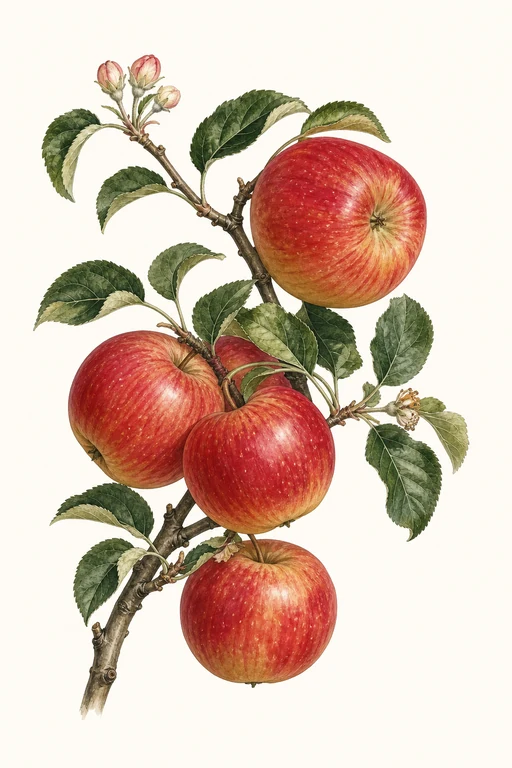
At maturity, the fruit shows a classic apple silhouette with a warm red blush over a pale, creamy ground, offering a firm, juicy bite and a beautifully balanced flavor for standout fresh enjoyment and elegant preserves. Grow Empire for a long, satisfying season and a harvest that feels like a centerpiece—beautiful on the tree, rewarding in the pantry, and ideal for sauces and pickled accents when you want that signature sweet-tart character to shine.
Light: Full SunMaturity: 365 DaysHabit: Shrub
Planting schedules and alerts are optimized for Columbus (Zone 6b).
Crop Dates
| Milestone | Date |
|---|---|
| Last Frost | Apr 25th |
| Growing Approach | Protected Environment Only |
Crop Details
| Trait | Value |
|---|---|
| Days to Maturity | 365 |
| Sun Requirements | Full Sun |
| Growth Habit | Shrub |
| Support Needed | None |
| Planting Depth | Normal |
| Germination Temp (°F) | 70 |
| Min Soil Temp (°F) | 55 |
| Min Night Temp (°F) | 25 |
| Harden Off (days) | Not Required |
Culinary Notes

Chef's Note
Empire’s firm, high-structure bite stays crisp longer than softer dessert apples, so it doesn’t collapse into mush when warmed or stewed. That honeyed perfume plus bright tang makes it a standout for anything that needs sweet-tart clarity—think pork pan sauce or a thick preserve that slices cleanly.

Best Uses
- raw eating and thin slicing for snack boards
- quick-cook skillet apples for pork and pan sauces
- apple butter or thick preserves that need structure
- quick pickles/sweet-tart brined accent

Flavor Profile

Kitchen Pairings
Frequently Asked Questions
What pest problem is most common on Malus domestica (apple), and how can I control it?
How often should I water Malus domestica during the main growing phase, and what soil moisture level should I maintain?
How can I tell when my Malus domestica (apple) is ready to harvest?
Sowing Tips

Transplant Conditions
Wait until soil reaches 55°F and nights stay above 25°F before moving outdoors.
Expert Note

Plant apple trees in full sun with well-drained soil and plan for pollination support (use a compatible second variety or a pollinizer).