
Encore
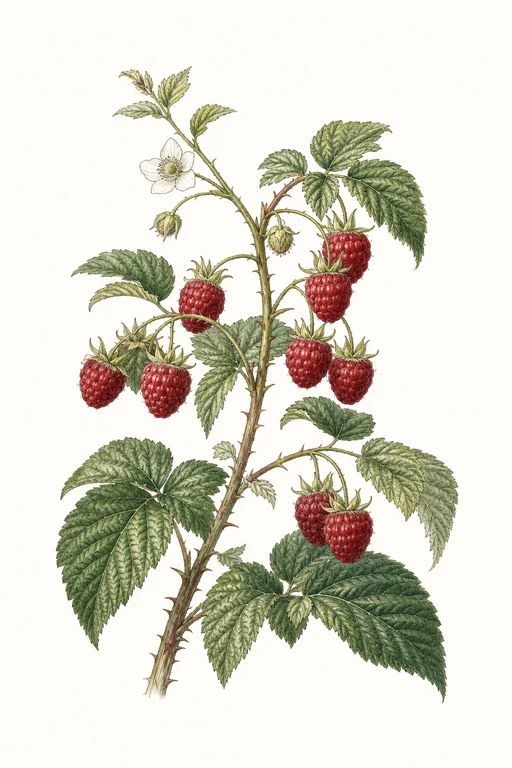
Sweetly perfumed berries with a bright, jewel-like raspberry glow—Encore delivers a lush, juicy bite and a tender, medium-firm texture that feels made for fresh garden enjoyment.
Its fruiting habit brings generous harvests over the season, with canes that support an abundant show of berries ready for picking at about 90 days. Grow Encore for standout flavor in desserts, fruit bowls, and preserves, or for vibrant color and fragrance in sauces and preserves.
Light: Full SunMaturity: 90 DaysHabit: Upright
Planting schedules and alerts are optimized for Columbus (Zone 6b).
Crop Dates
| Milestone | Date |
|---|---|
| Start Indoors | Direct Sow |
| Last Frost | Apr 25th |
| Transplant / Sow Outdoors | Apr 11th |
| Harvest Begins | Jul 10th |
| Harvest Ends | Oct 16th |
Crop Details
| Trait | Value |
|---|---|
| Days to Maturity | 90 |
| Sun Requirements | Full Sun |
| Growth Habit | Upright |
| Support Needed | Trellis |
| Planting Depth | Normal |
| Germination Temp (°F) | 65 |
| Min Soil Temp (°F) | 50 |
| Min Night Temp (°F) | 35 |
| Harden Off (days) | 7 |
Culinary Notes

Chef's Note
Encore’s sweet perfume and punchy berry tang make it a standout for anything that can’t hide behind heavy sugar—treat it as the star. Its tender-but-holding texture is ideal for quick cooks (compote/coulis) and for preserves that keep visible berry shape rather than turning fully homogenized.

Best Uses
- macerate for a spoonable topping over vanilla ice cream or yogurt
- quick stovetop compote with minimal sugar to keep the jewel-like tartness
- a rapid raspberry coulis for cheesecake or panna cotta
- jam/preserve where the fruit’s medium firmness holds shape in the set

Flavor Profile

Kitchen Pairings
Frequently Asked Questions
What pest or disease most commonly affects Rubus idaeus (raspberries) like Encore, and how do I treat it?
How often should I water Rubus idaeus during the main growing/fruiting phase?
How can I tell when my Encore (Rubus idaeus) raspberries are ready to harvest?
Sowing Tips

Transplant Conditions
Wait until soil reaches 50°F and nights stay above 35°F before moving outdoors. Harden off for 7 days first.
Expert Note

Plant raspberries in a weed-free strip with excellent drainage and mulch heavily; water deeply during fruit set to maintain berry size and sweetness.