
Fall Gold
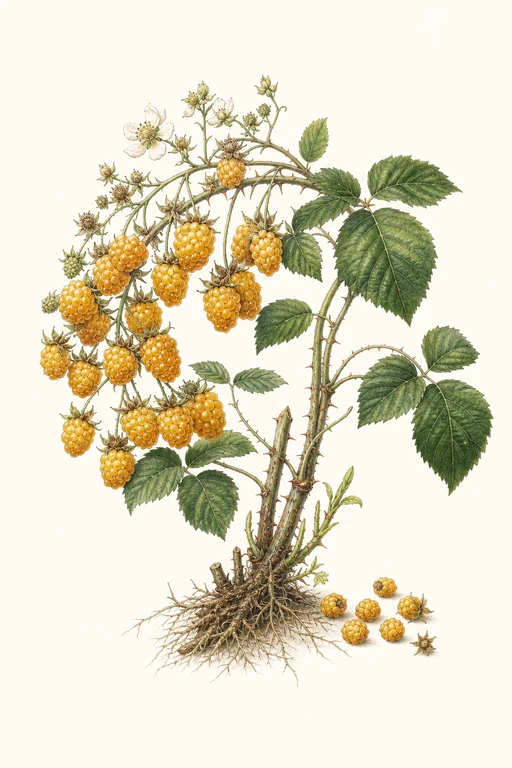
Sun-warmed and jewel-bright, Fall Gold raspberries glow in the garden with a honey-gold radiance that tastes as luminous as it looks—sweet, softly tangy, and richly aromatic.
The berries are medium to large with a tender, juicy texture and a delicate drupe feel, ideal for savoring at peak ripeness. Grow Fall Gold for abundant late-season harvests that bring a golden cascade to fresh desserts, fruit bowls, and vibrant preserves and sauces.
Light: Full SunMaturity: 100 DaysHabit: Clumping
Planting schedules and alerts are optimized for Columbus (Zone 6b).
Crop Dates
| Milestone | Date |
|---|---|
| Start Indoors | Direct Sow |
| Last Frost | Apr 25th |
| Transplant / Sow Outdoors | Jun 20th |
| Harvest Begins | Sep 28th |
| Harvest Ends | Oct 16th |
Crop Details
| Trait | Value |
|---|---|
| Days to Maturity | 100 |
| Sun Requirements | Full Sun |
| Growth Habit | Clumping |
| Support Needed | Trellis |
| Planting Depth | Normal |
| Germination Temp (°F) | 70 |
| Min Soil Temp (°F) | 45 |
| Min Night Temp (°F) | 35 |
| Harden Off (days) | Not Required |
Culinary Notes

Chef's Note
Fall Gold raspberries hit with a honeyed, late-season sweetness and a gentle tart line—exactly why they shine when eaten cold or barely warmed. Their tender drupe structure turns silky fast, so give them heat only briefly when you want a sauce, not a jammy paste.

Best Uses
- fresh spooning—served cold so the juices stay bright
- quick maceration into a loose compote for yogurt or pavlova
- seed-light coulis for cheesecake swirl and tart glaze
- jams/preserves where its aromatics read as “golden” rather than smoky

Flavor Profile

Kitchen Pairings
Frequently Asked Questions
What pest or disease commonly affects Rubus idaeus (raspberries) and what should I do if I see it?
How often should I water Rubus idaeus during peak growth, and what soil moisture level do they need?
How do I tell when Rubus idaeus ‘Fall Gold’ is ready to harvest?
Sowing Tips

Transplant Conditions
Wait until soil reaches 45°F and nights stay above 35°F before moving outdoors.
Expert Note

For best flavor and disease resistance, plant raspberries in full sun with good airflow, keep roots consistently moist, and remove weak canes while training new canes for next season’s fruit.