
Falstaff
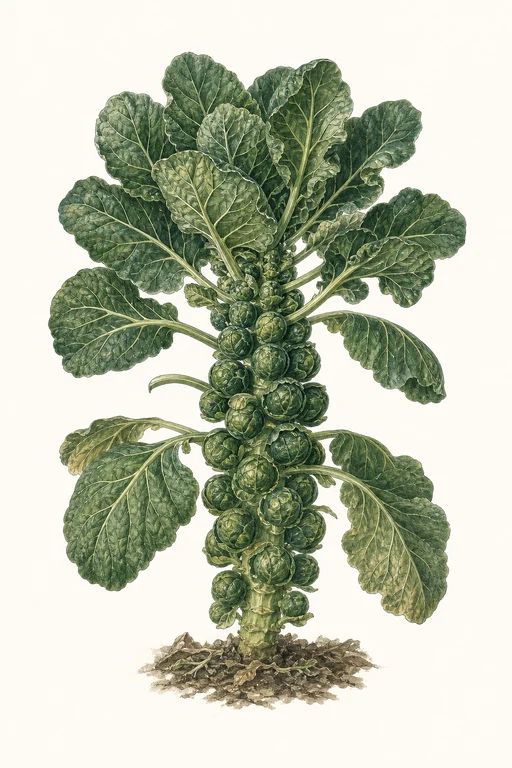
Sweet, nutty sprouts emerge in a dense, jewel-like column—Falstaff delivers a rich, deep flavor with a tender bite and a beautifully compact texture.
As the season cools, the heads develop a velvety, dark-green look that holds its quality well, making them ideal for roasting and pan-braising, as well as hearty sauces and savory gratins. Grow Falstaff for a dependable 90-day rhythm and a striking harvest that feels as satisfying to grow as it is to serve.
Light: Full SunMaturity: 90 DaysHabit: Upright
Planting schedules and alerts are optimized for Columbus (Zone 6b).
Crop Dates
| Milestone | Date |
|---|---|
| Start Indoors | Mar 28th |
| Last Frost | Apr 25th |
| Transplant / Sow Outdoors | Apr 18th |
| Harvest Begins | Jul 17th |
| Harvest Ends | Oct 16th |
Crop Details
| Trait | Value |
|---|---|
| Days to Maturity | 90 |
| Sun Requirements | Full Sun |
| Growth Habit | Upright |
| Support Needed | None |
| Planting Depth | Normal |
| Germination Temp (°F) | 45 |
| Min Soil Temp (°F) | 40 |
| Min Night Temp (°F) | 32 |
| Harden Off (days) | 6 |
Culinary Notes

Chef's Note
Falstaff’s dense, compact sprouts give you a clean, tender bite without going hollow—so they handle aggressive heat and still eat sweet and nutty rather than sulfur-y. Roast or braise them until they’ve browned deeply, then sharpen with acid or finish with browned butter for that velvety, dark-green savor.

Best Uses
- high-heat roasting until the leaves go crisp at the edges
- pan-braising with a glossy reduction for a tender-center result
- shredded or shaved sprouts tossed into a warm vinaigrette-style salad
- savory gratin where the heads stay bitey instead of collapsing

Flavor Profile

Kitchen Pairings
Frequently Asked Questions
What pest or disease is most likely on Brussels sprouts (Brassica oleracea var. gemmifera) like Falstaff, and how do I control it?
How often should I water Falstaff Brussels sprouts during the main growing phase?
How can I tell when Falstaff Brussels sprouts are ready to harvest?
Sowing Tips

Transplant Conditions
Wait until soil reaches 40°F and nights stay above 32°F before moving outdoors. Harden off for 6 days first.
Expert Note

For best flavor, grow Brussels sprouts through cool weather and aim for a harvest after temps dip—many improve in sweetness after light frosts.