
Flyaway
Sweet, carrot-smooth flavor opens with a bright, honeyed snap—then settles into a tender, fine-grained bite that feels almost silky.
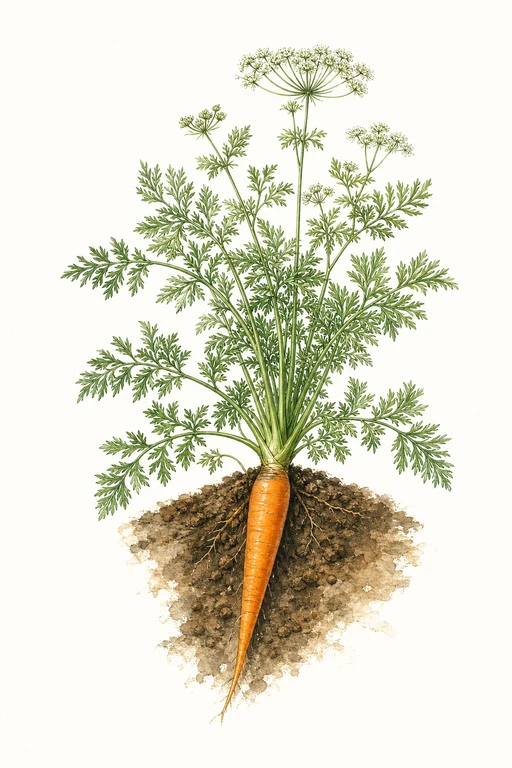
Flyaway Nantes Carrot forms slender, true Nantes roots with a clean, tapered shoulder and a vivid orange core, ideal for gardeners who want reliable, elegant harvests at about 78 days. Grow Flyaway for fresh pull-and-enjoy appeal, and for vibrant color and sweetness in salads, roasts, and quick pickles that showcase its naturally balanced taste.
Light: Full SunMaturity: 78 DaysHabit: Rosette
Location not set yet
Location not set yet
Enter your ZIP for local crop dates
Flyaway Planting Dates by USDA Zone
Estimated US hardiness-zone windows for sow, transplant, and harvest. Enter a US ZIP above for exact local dates, or open a zone below.
| Zone | Start Indoors | Sow / Transplant | Harvest |
|---|---|---|---|
| Zone 1a | Protected Environment Only | ||
| Zone 1b | Protected Environment Only | ||
| Zone 2a | Direct Sow | May 25th | Aug 11th – Aug 29th |
| Zone 2b | Direct Sow | May 15th | Aug 1st – Aug 25th |
| Zone 3a | Direct Sow | May 15th | Aug 1st – Sep 1st |
| Zone 3b | Direct Sow | May 19th | Aug 5th – Sep 21st |
| Zone 4a | Direct Sow | May 15th | Aug 1st – Sep 24th |
| Zone 4b | Direct Sow | May 13th | Jul 30th – Sep 27th |
| Zone 5a | Direct Sow | May 8th | Jul 25th – Sep 30th |
| Zone 5b | Direct Sow | May 4th | Jul 21st – Oct 5th |
| Zone 6a | Direct Sow | May 1st | Jul 18th – Oct 10th |
| Zone 6b | Direct Sow | Apr 25th | Jul 12th – Oct 16th |
| Zone 7a | Direct Sow | Apr 20th | Jul 7th – Oct 20th |
| Zone 7b | Direct Sow | Apr 10th | Jun 27th – Oct 28th |
| Zone 8a | Direct Sow | Apr 1st | Jun 18th – Nov 5th |
| Zone 8b | Direct Sow | Mar 23rd | Jun 9th – Nov 12th |
| Zone 9a | Direct Sow | Mar 6th | May 23rd – Nov 26th |
| Zone 9b | Direct Sow | Feb 9th | Apr 28th – Dec 9th |
| Zone 10a | — | Oct 1st | Dec 18th – Feb 28th |
| Zone 10b | — | Oct 1st | Dec 18th – Feb 28th |
| Zone 11a | — | Oct 1st | Dec 18th – Feb 28th |
| Zone 11b | — | Oct 1st | Dec 18th – Feb 28th |
| Zone 12a | — | Oct 1st | Dec 18th – Feb 28th |
| Zone 12b | — | Oct 1st | Dec 18th – Feb 28th |
| Zone 13a | — | Oct 1st | Dec 18th – Feb 28th |
| Zone 13b | — | Oct 1st | Dec 18th – Feb 28th |
Crop Details
| Trait | Value |
|---|---|
| Days to Maturity | 78 |
| Sun Requirements | Full Sun |
| Growth Habit | Rosette |
| Support Needed | None |
| Planting Depth | Normal |
| Germination Temp (°F) | 75 |
| Min Soil Temp (°F) | 50 |
| Min Night Temp (°F) | 28 |
| Harden Off (days) | Not Required |
Culinary Notes

Chef's Note
A slender Nantes type with a honeyed hit and a fine, tender texture—Flyaway stays crisp long enough for raw shaving, then turns buttery-soft at the edges when roasted. Its natural sweetness makes it a standout for quick pickles and fast high-heat cooking, where it caramelizes without going hollow or woody.

Best Uses
- quick pickle slices or batons where the sweetness balances vinegar
- hot blister-roast on high heat to caramelize the slender root edges
- shaving raw into salads for snap that doesn’t get fibrous
- glossy glaze roasting (maple or brown sugar) to amplify the orange-core sweetness

Flavor Profile

Kitchen Pairings
Frequently Asked Questions
What pest or disease most commonly affects carrots (Daucus carota var. sativus), and what can I do about it?
How often should I water during the main growing phase of carrots, and how do I keep the soil at the right moisture level?
How can I tell when carrots (Daucus carota var. sativus) are ready to harvest?
Sowing Tips

Transplant Conditions
Wait until soil reaches 50°F and nights stay above 28°F before moving outdoors.
Expert Note

Direct-sow Flyaway carrots in cool weather and keep beds evenly moist until tops emerge to avoid misshapen roots and improve early pest resistance.