
Fourth of July
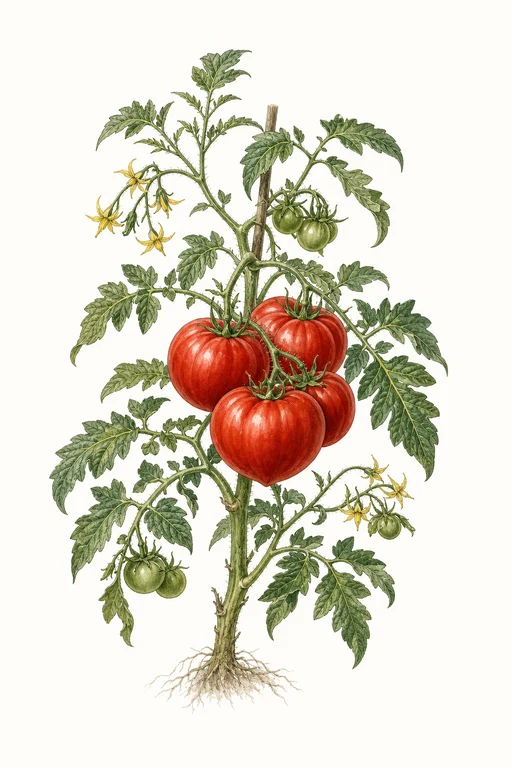
Bursting with sun-warmed sweetness and a bright, classic tomato tang, ‘Fourth of July’ delivers glossy, red fruit that feel satisfyingly substantial in the hand.
The flesh is richly juicy with a balanced, seed-studded bite—ideal for thick slices that hold their shape on the plate. Grow this slicing tomato for bold summer color and dependable performance, and enjoy its vibrant flavor in fresh salads, sandwich-style favorites, and bold sauces that showcase its true tomato character.
Light: Full SunMaturity: 65 DaysHabit: Determinate
Crop Dates : 9b
| Milestone | Date |
|---|---|
| Start Indoors | Dec 22nd |
| Last Frost | Feb 9th |
| Transplant / Sow Outdoors | Mar 30th |
| Harvest Begins | Jun 3rd |
| Harvest Ends | Dec 9th |
Crop Details
| Trait | Value |
|---|---|
| Days to Maturity | 65 |
| Sun Requirements | Full Sun |
| Growth Habit | Determinate |
| Support Needed | Cage |
| Planting Depth | Deep |
| Germination Temp (°F) | 75 |
| Min Soil Temp (°F) | 60 |
| Min Night Temp (°F) | 50 |
| Harden Off (days) | 10 |
Culinary Notes

Chef's Note
A slicing tomato built for hands-on eating: the flesh is juicy but structured, with enough snap around the seeds to stay present on a plate. It shines when you keep the cast simple—salt, fat, and heat—so its tangy sweetness can run the show.

Best Uses
- thick slicing for sourdough sandwiches where it won’t collapse into wet slop
- summer chopped salad with just salt, olive oil, and a quick shred of onion
- high-simmer tomato sauce that can reduce to a glossy, balanced finish
- grilled tomato halves for caramelized edges and jammy centers

Flavor Profile

Kitchen Pairings
Frequently Asked Questions
What pest or disease most commonly affects Solanum lycopersicum (Fourth of July tomato), and how can I address it?
How often should I water during the main growing phase of Fourth of July tomatoes?
How do I know when Fourth of July tomatoes are ready to harvest?
Sowing Tips

Transplant Conditions
Wait until soil reaches 60°F and nights stay above 50°F before moving outdoors. Harden off for 10 days first.
Expert Note

Start indoors on a warm schedule, but wait to transplant until soil is truly warm (60°F+), as cold ground can stunt even very-early tomatoes.