
Garden Sorrel
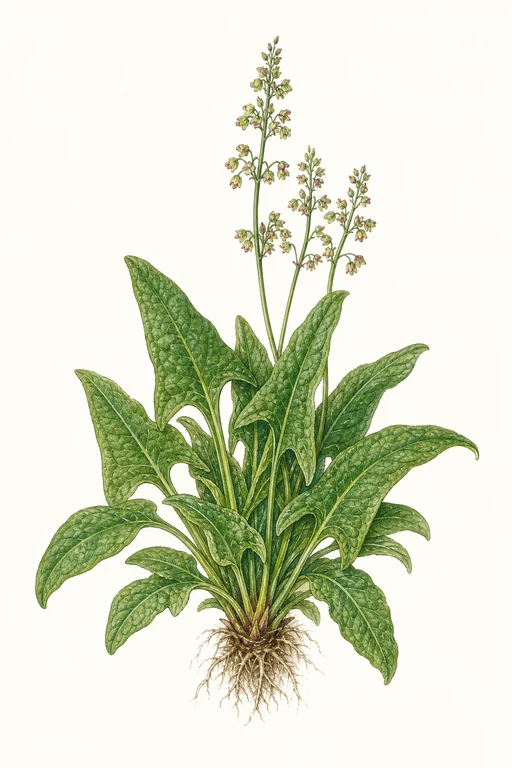
Tart as a fresh lemon-bright breeze, Garden Sorrel unfurls tender, arrow-kissed leaves with a crisp, succulent bite and a clean, grassy-green fragrance.
At about 50 days, the foliage forms an upright rosette that stays pleasantly young and flavorful for repeated harvests. Ideal for stirring into springtime greens blends, brightening sauces, and lending a lively tang to soups and quick pickled preparations—Garden Sorrel brings a vivid, refreshing edge to every bowl.
Light: Part SunMaturity: 50 DaysHabit: Rosette
Planting schedules and alerts are optimized for Columbus (Zone 6b).
Crop Dates
| Milestone | Date |
|---|---|
| Start Indoors | Direct Sow |
| Last Frost | Apr 25th |
| Transplant / Sow Outdoors | Apr 25th |
| Harvest Begins | Jun 14th |
| Harvest Ends | Oct 16th |
Crop Details
| Trait | Value |
|---|---|
| Days to Maturity | 50 |
| Sun Requirements | Part Sun |
| Growth Habit | Rosette |
| Support Needed | None |
| Planting Depth | Normal |
| Germination Temp (°F) | 60 |
| Min Soil Temp (°F) | 45 |
| Min Night Temp (°F) | 28 |
| Harden Off (days) | Not Required |
Culinary Notes

Chef's Note
Garden Sorrel is all about that sharp, fresh acid—use it while the leaves are tender so you get a crisp bite instead of a steely chew. It wilts fast and flashes a clean, grassy brightness, making it particularly good for butter-creamed sauces and soup purees where you want tang to stay vivid, not flat.

Best Uses
- stir-through spring greens for a quick, mouth-snap lift
- wilt into a warm butter sauce that coats pasta or fish without turning muddy
- blend into silky soups (like pureed potato-leaning bisques) to keep them lively
- quick-pickle the leaves for tangy snappy garnishes

Flavor Profile

Kitchen Pairings
Frequently Asked Questions
What pest or disease commonly affects Rumex acetosa (garden sorrel), and how do I treat it?
How often should I water Rumex acetosa during its main growing phase, and what soil moisture level is ideal?
How can I tell when garden sorrel (Rumex acetosa) is ready to harvest?
Sowing Tips

Transplant Conditions
Wait until soil reaches 45°F and nights stay above 28°F before moving outdoors.
Expert Note

For best flavor, harvest young leaves frequently and avoid letting plants bolt—partial shade and consistent moisture help.