
Ginseng Red
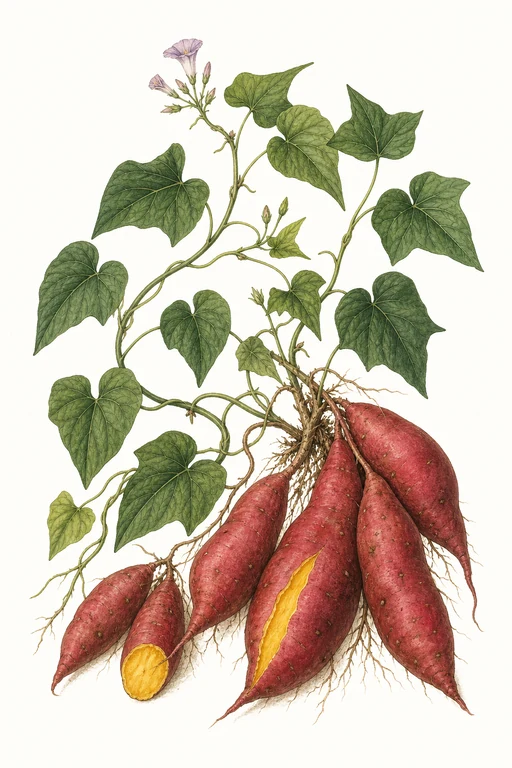
Sunlit and velvety, Ginseng Red sweet potatoes glow with a warm golden-yellow interior that feels luxuriously smooth when cooked, with a subtly sweet, honeyed flavor and a fine, creamy texture.
The roots develop a distinctive red-tinged skin over time, creating a striking contrast that’s as beautiful on the counter as it is satisfying on the plate. Grow Ginseng Red for dependable, 90-day harvests and for versatile use in roasts, mash, and rich sauces—an everyday favorite with a premium, garden-fresh finish.
Light: Full SunMaturity: 90 DaysHabit: Vine
Planting schedules and alerts are optimized for Columbus (Zone 6b).
Crop Dates
| Milestone | Date |
|---|---|
| Start Indoors | Direct Sow |
| Last Frost | Apr 25th |
| Transplant / Sow Outdoors | Apr 25th |
| Harvest Begins | Jul 24th |
| Harvest Ends | Oct 16th |
Crop Details
| Trait | Value |
|---|---|
| Days to Maturity | 90 |
| Sun Requirements | Full Sun |
| Growth Habit | Vine |
| Support Needed | Trellis |
| Planting Depth | Normal |
| Germination Temp (°F) | 75 |
| Min Soil Temp (°F) | 65 |
| Min Night Temp (°F) | 55 |
| Harden Off (days) | Not Required |
Culinary Notes

Chef's Note
Ginseng Red’s smooth, creamy flesh turns luscious without needing heavy thickeners, so it shines in purées and spoonable sauces. The honeyed sweetness can go glossy if you over-sugar—lean on lime, ginger, and pepper to keep it bright and grown-up.

Best Uses
- hot oven roasting until caramelized at the edges (then split and spoon)
- buttery mash with a smooth, lump-free finish
- thick, velvety soups and purées that hold their body
- glossy sheet-pan wedges with browned sugar–salt balance

Flavor Profile

Frequently Asked Questions
What pest or disease most commonly affects sweet potato (Ipomoea batatas) and what should I do?
How often should I water Ipomoea batatas during its main growing phase?
How can I tell when Ipomoea batatas is ready to harvest (around 90 days)?
Sowing Tips

Transplant Conditions
Wait until soil reaches 65°F and nights stay above 55°F before moving outdoors.
Expert Note

Sweet potatoes (including red-skinned types) establish best when planted only after soil is thoroughly warm—aim for warm days and warm nights to prevent rot and stunting.