
Glaskins Perpetual
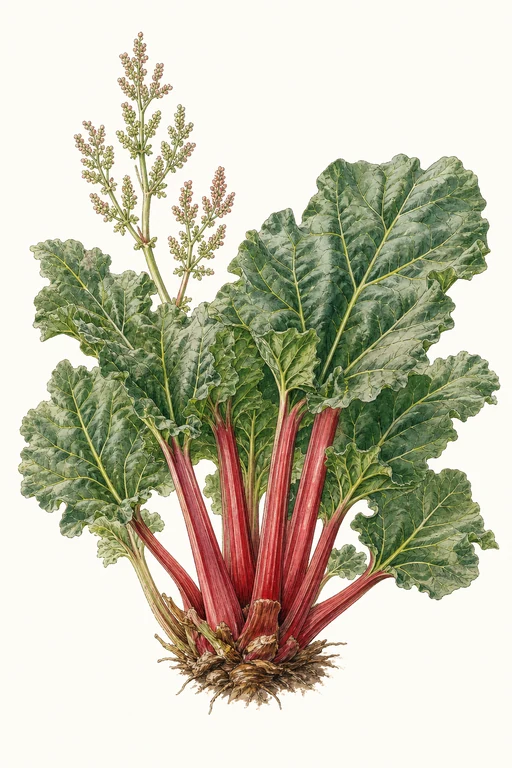
Tart-sweet stalks rise with a jewel-bright blush—crisp, juicy, and richly flavored from first harvest onward.
Glaskins Perpetual forms sturdy, upright clumps with thick, succulent stems that hold their snap for standout fresh use and for simmering into glossy sauces and preserves. A true garden favorite for continuous picking over the season, rewarding patient growers with dependable, flavorful color from spring through early summer.
Light: Full SunMaturity: 60 DaysHabit: Perennial_Crown
Planting schedules and alerts are optimized for Columbus (Zone 6b).
Crop Dates
| Milestone | Date |
|---|---|
| Start Indoors | Direct Sow |
| Last Frost | Apr 25th |
| Transplant / Sow Outdoors | Apr 25th |
| Harvest Begins | Jun 24th |
| Harvest Ends | Oct 16th |
Crop Details
| Trait | Value |
|---|---|
| Days to Maturity | 60 |
| Sun Requirements | Full Sun |
| Growth Habit | Perennial_Crown |
| Support Needed | None |
| Planting Depth | Normal |
| Germination Temp (°F) | 70 |
| Min Soil Temp (°F) | 40 |
| Min Night Temp (°F) | 28 |
| Harden Off (days) | 7 |
Culinary Notes

Chef's Note
Glaskins Perpetual’s stalks run crisp and jewel-bright, so they give you a high-impact bite fresh and a glassy, jammy tang once simmered. It’s the kind of rhubarb that keeps its structure in a bake and produces a sauce with real cling—no watery slump.

Best Uses
- macerate fresh stalks for a spoonable spring compote (minimal cooking, high shine)
- slow-simmer into a thick, glossy sauce for pork, duck, or roast chicken
- fold into preserves or jam for a set that tastes clean and bright instead of flat-sweet
- bake into pies/tarts where the stalk holds shape and doesn’t collapse into watery filling

Flavor Profile

Kitchen Pairings
Frequently Asked Questions
What pest or disease is most likely on Rheum rhabarbarum (glaskins perpetual rhubarb), and how do I manage it?
How often should I water Rheum rhabarbarum during its main growing phase?
How can I tell when Glaskins Perpetual rhubarb is ready to harvest?
Sowing Tips

Transplant Conditions
Wait until soil reaches 40°F and nights stay above 28°F before moving outdoors. Harden off for 7 days first.
Expert Note

Rhubarb is a long-lived crown crop—plant in deep, well-drained soil and avoid harvesting stalks heavily the first year to build strong roots.